Views: 13 Author: Site Editor Publish Time: 2026-04-29 Origin: Site
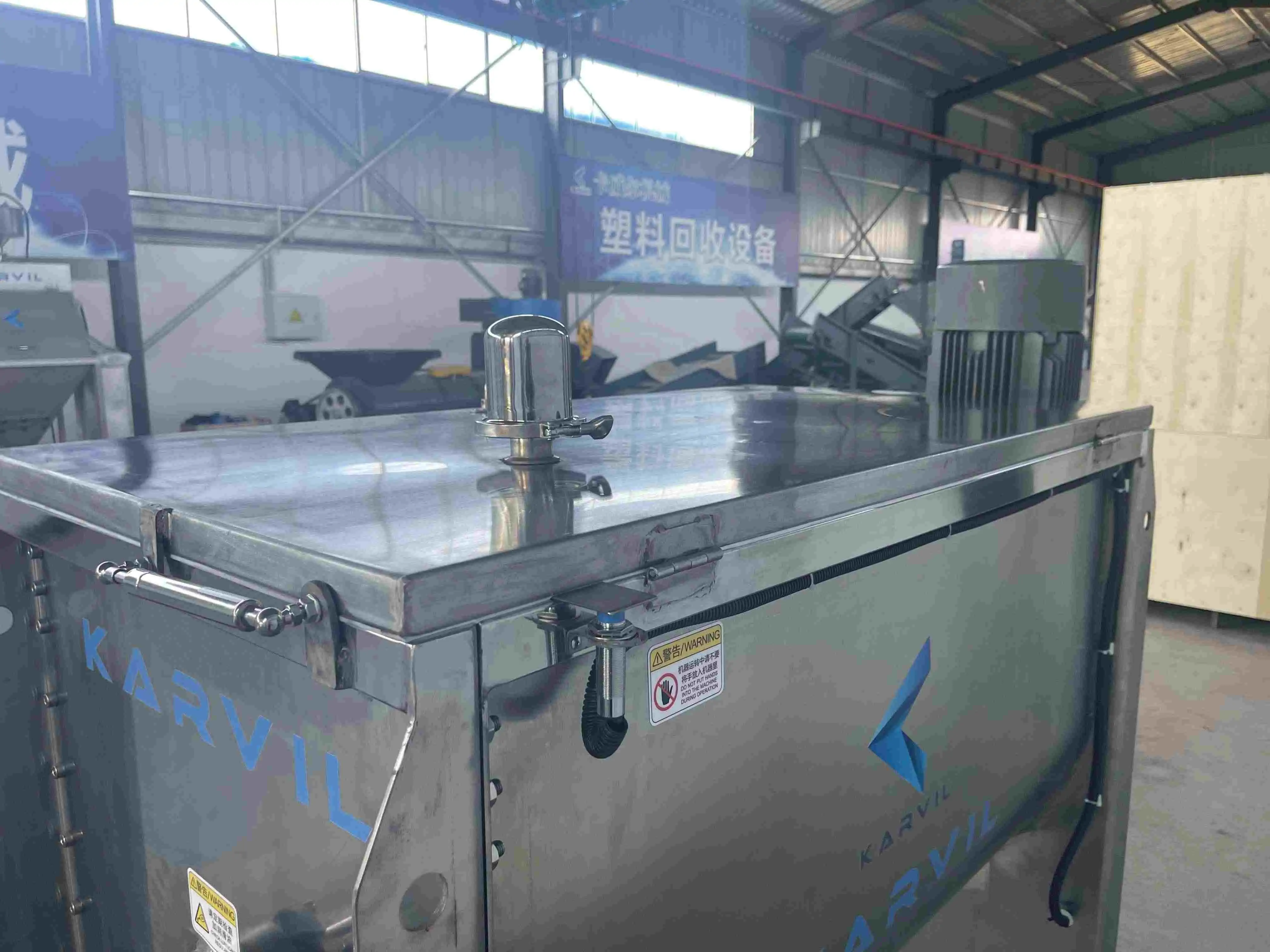
Keeping steady quality in factory blending goes beyond just turning a blade these days. Global supply lines grow stricter, and safety rules turn tougher, so the gear you pick must manage more than simple mixing. Karvil Machinery shines in this area after years of refining factory blenders for over 50 nations. They go past building basic units; they craft targeted setups for items like rocket fuels to protein snacks. If you require a top-grade SS316 Ribbon Blender for harsh contents or a big output line, their design crew stresses practical strength. Check their full list of tech details on the products page, or explore the about us section to understand why they earn trust from Europe to Southeast Asia.
The basic setup of a ribbon blender depends on a U-form horizontal tank and a carefully built twin coil stirrer. This layout produces a flowing motion where contents shift in two paths at once. It offers a sturdy, basic fix that remains useful for years since it performs well.
The outer coil shifts contents from the edges to the middle, while the inner coil sends them back to the sides. This ongoing fold process avoids content piling and yields an even mix quickly. As a result, batches turn out consistent without long waits.
By pushing the dust to move in facing directions along the rod, the blender generates strong swirl. This approach handles varied bulk weights effectively, so denser bits do not just drop to the base. It ensures full coverage across the load.
Choosing a Ribbon Mixer for Powder Blending provides managed cut forces. Such control proves key when breaking small lumps without harming delicate grains. This balance supports clean results in sensitive tasks.
Watch groups now examine content shift more closely than in past years. For food or drug fields, the common stainless steel from a decade back may fail a current check. You require clear records of what contacts your goods.
Picking SS316 suits any task with salts, light acids, or much dampness. It offers stronger guard against spots than 304, which maintains your loads pure and tank sides even after heavy runs. This choice extends gear life noticeably.
In chem work, biting fumes can wear seals and stirrers. Top metals and right face coatings become essential to skip regular stops and costly piece swaps. Such steps keep lines active and costs down.
A shine-polished inside serves more than appearance. It stops germs from nesting in tiny dents. Meeting (EC) No.1935/2004 requires the metal to clear firm EU food touch checks, so it fits world markets safely.
Past blenders frequently create "stuck" areas where contents sit idle as the batch shifts. Current building solves these issues with better unload and seal methods.
Air-driven flap gates or ball gates sit level with the tank base. This clears the trapped unblended dust that lingered in the exit pipe of older units. As a result, full emptying becomes straightforward and thorough.
The space between the coil and tank side now stays narrower. By cutting this gap, you halt the slim layer of contents from resting on the side, a frequent source of load unevenness. This tweak boosts overall blend quality.
Air-flushed rod seals change the game for fine dusts. They form a firm pressure wall that holds the goods in the tank and clear of the bearings, aiding clean work and blocking gear breakdowns. Such features support steady, safe runs.
From build goods to plane work, the call for accuracy grows. Various fields apply these blenders for quite different aims, yet the push for safety and steadiness holds true everywhere.
For blending flour, ice cream dusts, or herbs, clean standards rule. Modern ribbon units enable simple rinse cycles and fulfill strict Fused Coating Material (FCM) needs for current food sites. This setup eases daily operations greatly.
Batch mix carryover ranks as the top worry in drug making. Current blenders include simple-reach lids and safety holds that permit full cleans between loads without endangering staff. These aids ensure compliance and efficiency.
On the tough end, such as dry mixes or plant feeds, emphasis turns to wear guard. Strong coils and high-pull drives let these units operate round the clock in rough spots. They handle demanding conditions reliably.
When your blend thickens or clings, a basic drive will strain. You must review the power chain and the build strength of the coils to confirm the unit withstands the weight.
Pin-wheel or robust gear reducers supply the needed pull for starting at full weight. Having some spare strength beats a drive failing in a busy shift. This prepares for peak demands effectively.
Thick blends place heavy load on the arms and main rod. Wider coils and firm joints stop the stirrer from bending as push rises. Such builds maintain shape under pressure.
At times, you add fluids to dry dust blends. Spray lines with several heads spread the fluid evenly over the coil's full span, avoiding balls and yielding a even feel. This method improves mix results consistently.
A unit's true worth lies in the backing it receives. Purchasing a blender marks a lasting spend, and you need a teammate who grasps the tech hurdles of world shipments and complex content trials.
Drawing from work in the UK, USA, Australia, and more, the design group understands adapting gear for varied power and safety needs. You may view their technical library for in-depth guides. This depth aids smooth setups worldwide.
Safety forms a core part. Each unit can include quick-stop lids and fully covered power sections. Holding CE, ATEX for blast areas, and FCM marks, these blenders reach the top world levels.
Few standard fits work for all in chem and plane fields. For rocket fuels or tooth goods, you receive direct aid for content trials and custom builds to match your plant plan. This personalization drives better outcomes.
Q1: What is the main difference between SS304 and SS316 for a ribbon blender?
A: SS316 contains molybdenum, which makes it much more resistant to corrosion from chlorides and industrial chemicals compared to the standard SS304.
Q2: Can I add liquids to my powder mix in a ribbon blender?
A: Yes, you can install a liquid spray manifold. This is commonly used in the food and chemical industries to add flavorings, oils, or binders evenly throughout the batch.
Q3: How do I know if the mixer is safe for food production?
A: Look for FCM certification and compliance with (EC) No.1935/2004. This ensures the materials won't transfer harmful substances into your food products.
Q4: What kind of maintenance support is available after the purchase?
A: You get a one-year warranty and lifetime technical consultation. Manuals and circuit diagrams are provided in English, and engineers are available for remote troubleshooting.
Q5: Is it possible to use a ribbon blender in an explosive environment?
A: Yes, but you must specify an ATEX-certified design. This includes explosion-proof motors, pressurized seals, and temperature monitoring to prevent sparks or overheating.


