Views: 90 Author: Site Editor Publish Time: 2024-11-08 Origin: Site
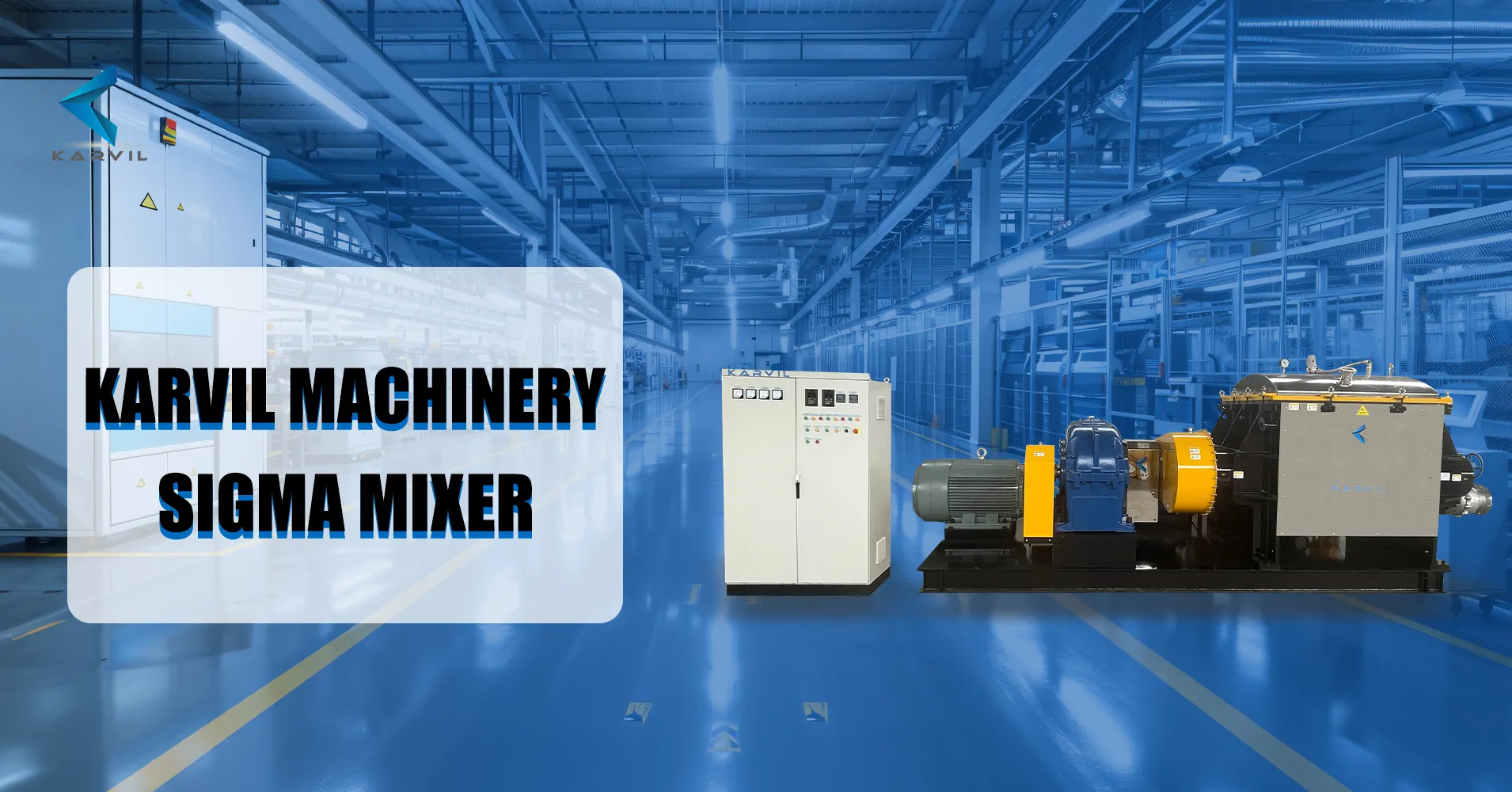
The sigma mixer consists of mixing chamber, frame support, hydraulic system, electric control system, discharge system and two Z shape blade in the chamber drove by the motor. Widely used in mixing and kneading of low-to-high viscosity products in many industries such as ceramics, silicone rubber, sealants, clay, chewing gum, candy, bakery food, pharmaceuticals, carbon paste, inks/pigments ,etc.
Here’s an overview of the manufacturing process of a Sigma Mixer:

Production Schedule Diagram: At the start, the production team creates a schedule and diagram that outlines the specific raw materials, quantities, and dimensions required.
Materials Selection: Quality checks are performed on all raw materials (usually stainless steel, carbon steel).
Precision Cutting: Laser cutting machines are used to precisely shape metal sheets and parts according to the diagram and schedule, ensuring accuracy in thickness and dimensions.
Inspection: Each part is inspected for consistency and quality after cutting.
Welding and Assembly: The primary components, like the twin sigma blades, mixing chamber, and frame, are welded and assembled.
Detailed Component Processing: Fine-tuning is done on components like seals, motors, and gears to ensure smooth assembly and operation.

Testing for Functionality: The assembled mixer undergoes a trial run to check blade movement, mixing speed, and performance.
Quality Assurance: Technicians check for any operational or alignment issues to ensure compliance with safety and quality standards.
Polishing and Grinding: The mixer’s surface is polished to remove any rough edges or impurities and provide a smooth finish.
Coating and Final Finish: For some mixers, an additional coating or finishing process is applied to enhance corrosion resistance and visual appeal.
If you're want to learn more about sigma mixer, Karvil Machinery is here to help you choose the right mixing equipment for your unique needs. Contact us today!
info@karvil.com


