Views: 23 Author: Site Editor Publish Time: 2025-09-04 Origin: Site
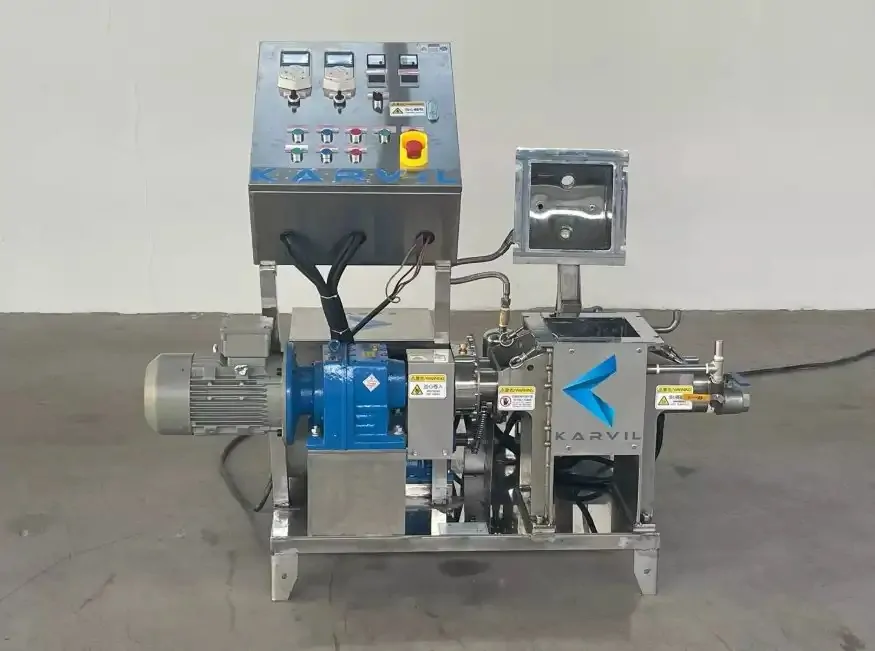
Whether you’re in the food industry, chemical processing, or manufacturing sticky materials, knowing how power impacts performance and cost can save you time and money. This article dives into the essentials of power requirements, chamber capacity, food-grade standards, and more. Let’s explore how to pick the right sigma mixer for your needs with a focus on efficiency and value.
The energy needs of a food-grade sigma mixer are a big deal. They affect how well the machine works, how efficient it is, and how much it costs to run. These mixers are built to handle thick stuff like glue, rubber mixes, or even food items such as chewing gum. A sigma mixer, often called a z blade mixer or sigma kneader, is perfect for blending and kneading tough, sticky materials.
The power details decide if the machine can mix heavy stuff without getting stuck or breaking down. A stronger power level means better strength and mixing ability. But, it also means using more electricity and a higher price tag. So, figuring out what your production demands are helps you choose a mixer that balances power with expense nicely.
The setup of the motor is super important for keeping things steady during tough mixing jobs. Sigma mixers often have one motor with gears that work together, Sometimes, they use two motors to move each blade on its own. Either way, these setups keep the strength and speed steady, even when the load changes a lot.
Karvil’s mixing gear uses smart mixing ideas and top-notch tech for power delivery. They fine-tune the design of the mixing parts to make sure power flows smoothly. This results in even mixing and boosts how well and fast the materials blend. It’s really key for jobs where every batch needs to turn out the same.
Absolutely, the power level has a huge effect on how much energy the machine uses over time. Mixers with more horsepower eat up more electricity while running. However, many new sigma mixers come with clever control systems. These help cut down on energy waste.
By tweaking the blade shape, using motors that save power, and adding variable speed tech, Karvil’s mixing tools lower energy use by 20% to 30%. This doesn’t just save on bills. It also helps industries like food making and medicine production be more eco-friendly.
The size of the mixing chamber has to match the motor’s power for things to work well. If the chamber is too big for the motor, you might get uneven mixing or stress on the machine parts. On the flip side, a motor that’s too strong for a small chamber wastes energy for no reason.
The value of a good mixing system is clear. It ties directly to how efficient, safe, and high-quality the chemical process turns out. Pairing the chamber size with the right motor power makes sure thick materials mix evenly. It also keeps the machine lasting longer and the output top-notch.
The amount you mix at once, or batch size, affects the sigma mixer’s price and how much it costs to make each item. Bigger batch sizes need tougher materials for the build, stronger motors, and extras like cooling systems or vacuum setups. All of this bumps up the initial cost.
For instance, a lab sigma mixer is made for small amounts. It’s great for testing or mixing tiny batches of thick stuff. These are cheaper but can’t handle large outputs. Meanwhile, big industrial mixers cost more because they can do so much more.
A food-grade sigma mixer has to meet strict cleanliness rules to avoid any contamination while mixing. It needs to be made from stainless steel for all parts that touch the product. The surfaces should be smooth for easy cleaning. Plus, the seals must stop any leaks.
Karvil’s gear is crafted from top-quality stainless steel and materials that resist rust. This ensures no dirt or harmful stuff gets into the mix during contact with medicines. It meets the high standards for purity and quality in the drug industry. The same rules apply for food uses like making dough or candy pastes.

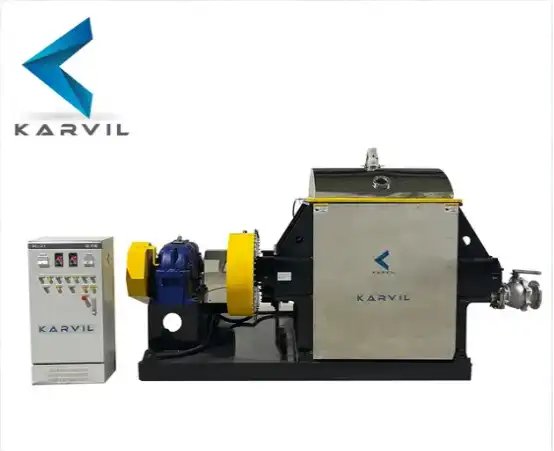
Safety stamps like CE marking or FDA approval are a must when picking a food-grade sigma mixer. These show that the equipment passes all rules for safe materials, electrical setups, pressure limits, and cleaning standards.
At the same time, the machines come with safety tools like pressure and heat sensors. These help keep the production process safe. Buyers should always ask for proof of these standards before deciding to buy.
When looking at sigma mixer prices, don’t just focus on the sticker price. Think about the total cost of owning it over time. This includes fixing costs, energy bills, losses from downtime, and waste from bad mixing results.
A smooth and steady mixing setup can really boost how much you produce. It cuts down on costs and makes the product quality more reliable. Spending more upfront on a well-made system might seem pricey. But, it pays off with lower running costs in the long haul.
Some extras make it worth paying more for a sigma mixer. Think about smart controls for tracking things as they happen. Modular builds let you change setups easily. Rust-proof materials, auto unloading with screw systems, vacuum seals, heat or cool jackets, and explosion-safe motors are also worth it.
Karvil offers custom services that think about everything. From picking the right mixing part to planning the whole system, they look at the process needs, material types, and work setting in drug making. This ensures the gear runs well and stays steady. These upgrades improve product quality and speed up work, making them smart choices based on what you need.
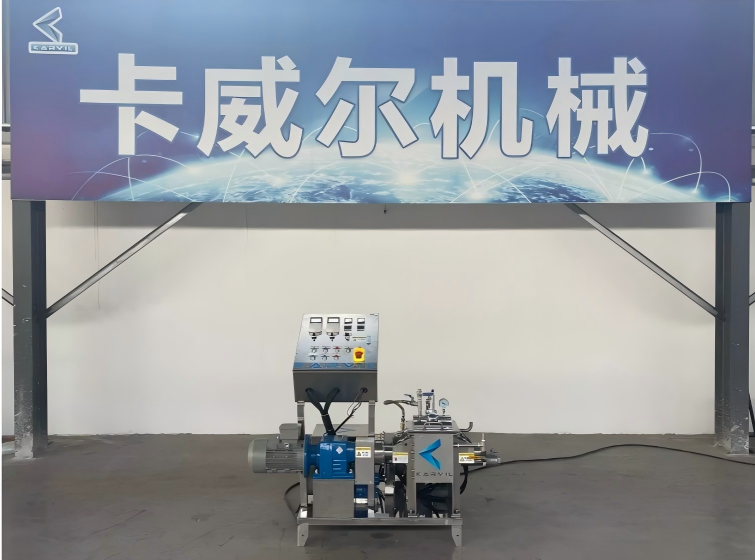
Karvil Machinery shines with tailor-made options for clients in fields like chemical work, drug making, plastic recycling, and especially food-grade tasks that need clean designs. They focus on creating solutions that fit just right.
Karvil Machinery is all about researching, designing, building, and selling industrial mixers, including sigma blade mixers. They’re dedicated to cutting-edge tech, tight quality checks, and great customer service to build trust and win-win deals with clients. Their skill in making machines that match your exact process needs means you get the best results without paying for stuff you don’t need.
Karvil’s sigma mixers have smart systems that tweak things like speed and heat to save energy. This clever setup greatly lifts production speed while cutting down on power use.
Also, Karvil’s mixing tools make sure materials blend evenly for top-quality output. They do this by carefully controlling mixing details. Their flexible designs let you adjust the machines for different batch sizes or recipes. This is a big plus when growing your production or adding new products.
Q1: What voltage do most food-grade sigma mixers operate on?
A: Most industrial models run on 380V/50Hz three-phase power supply. But they can be adjusted to match local electrical rules.
Q2: Can I use one mixer model across multiple applications?
A: Yes, as long as it has flexible setup options that work for different thicknesses or ingredient kinds used in those tasks.
Q3: Are food-grade models more expensive than standard ones?
A: Yes, they usually cost more. That’s because they’re made with stainless steel all over and have special seals for cleanliness. This adds to both material and building costs.


