Views: 26 Author: Site Editor Publish Time: 2026-03-11 Origin: Site
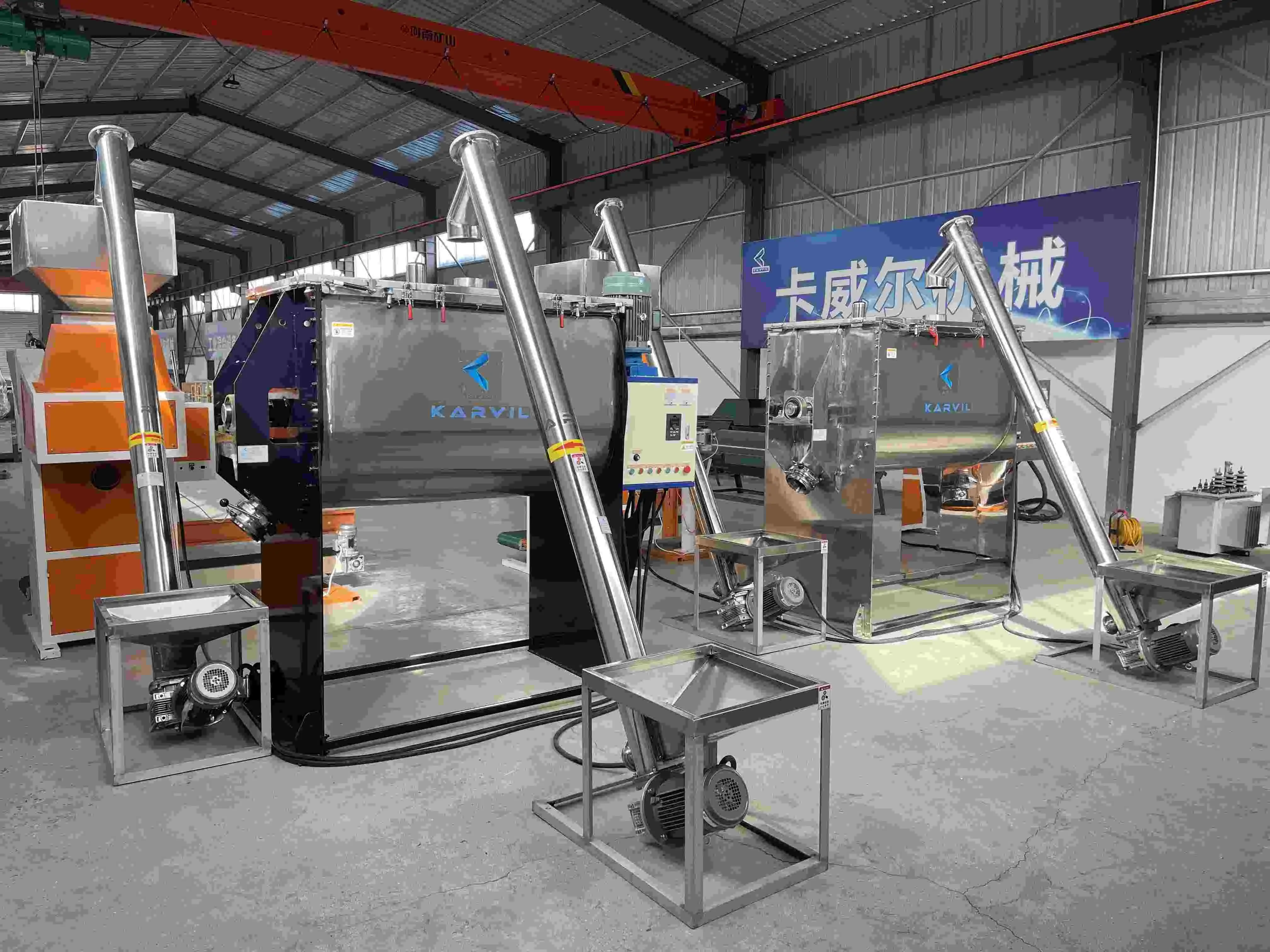
The Invisible "Profit Killer" in Your Factory
Imagine your production line is running perfectly. The orders are coming in, the team is working hard, and everything looks green on the dashboard. But then, deep inside the factory, a machine is silently struggling. The Ribbon Mixer is often seen as the heavy lifter of the powder processing world. It looks strong, it acts tough, and it usually works without complaining. Because it is so reliable, many maintenance teams forget about it. They might think, "If it isn't broken, don't fix it." This is a dangerous way to think.
In reality, waiting for the machine to stop working before you check it is a costly mistake. We have seen that almost 80% of ribbon mixer breakdowns come from just one small, hidden part: the shaft seal. What starts as a tiny puff of dust leaking out can turn into a huge headache. It can destroy your bearings, ruin the metal shaft, and force you to stop production for days. That means lost money and angry customers.
At Karvil, we believe that knowing "why" a machine breaks is the best way to keep it running. We want to help you move from fixing broken machines to stopping them from breaking in the first place. In this guide, we are going to look closely at the three biggest signs of trouble—worn-out seals, strange noises, and leaking powder—and give you easy ways to make your equipment last much longer.
Most common problem faced by operators is a leak in the shaft ends. You might even notice a white powder residue on the floor and think it is just a mess to clean up. But it is actually a sign of a major mechanical problem building up inside.
When the packing gland starts to leak, the first thing people want to do is grab a wrench and tighten it. It feels like the right thing to do. But over-tightening is actually very bad for the machine. When you squeeze the packing material too hard against the spinning shaft, it creates a lot of heat and friction. This burns the packing rope. Even worse, it cuts deep grooves into the metal shaft itself. This is called "scoring." Once the shaft has these deep cuts, no amount of new packing will ever seal it again.
We also see issues during cleaning time. When operators wash the machine, they might use high-pressure water hoses right on the seal area. This powerful water can push dirty sludge and powder backwards into the seal housing and even into the bearings. This causes rust and damage from the inside out, where you can't see it until it is too late.
A healthy ribbon mixer should have a steady hum. It shouldn't rattle, bang, or scream. If the sound changes, your machine is trying to tell you something.
If you hear a metal-on-metal scraping noise, it usually means the main shaft is not lined up correctly. The ribbon blades might be sagging or shifting, causing them to scrape against the metal wall of the trough. This is dangerous because it shaves tiny pieces of metal into your product.
This high-pitched noise is usually coming from the drive belts. It means they are too loose and are slipping.
If you hear a crunchy grinding sound near the ends of the mixer, it is bad news. It likely means powder has gotten past the seal and is crushing the rollers inside your bearings.
Leakage is not just about having a dirty floor; it destroys your machine parts. The chain reaction is very predictable. First, the shaft seal gets worn out or the shaft moves out of place. Second, fine powder—like flour, dry mortar, or chemicals—sneaks out of the mixing tank. Third, this powder piles up on the bearing housing and works its way into the grease. Finally, the powder acts like sandpaper (or it dries out the oil), causing the bearing to run dry. It eventually locks up, and your machine stops dead.

To stop this cycle of failure, you need to change how you look at maintenance. Don't just repair; prevent.
Stop tightening the gland nut as hard as you can. When you need to adjust a packing gland, only turn the nuts about 1/4 turn at a time. After you do this, touch the housing to check the temperature (carefully). The goal is to stop the leak without making the metal hot.
If you are mixing something very scratchy or abrasive, standard rope packing might not be enough. You should think about upgrading to air-purged seals. These systems use air pressure to push back against the powder, creating an invisible wall that keeps dust inside the mixer and away from the shaft.
Every few months, take a moment to measure the space between the ribbon tip and the wall of the tank. You can use a simple feeler gauge. The gap should be the same all the way across. If it is touching on one side, your shaft is crooked.
Use a tension gauge when you are fixing belts or chains. If they are too loose, they slip. If they are too tight, they pull sideways on the bearings, which makes them wear out much faster.
Putting in more grease isn't always better. Over-greasing can actually blow out the seals on your bearings. It can also push grease into the mixing area, which ruins your product. Make sure your bearing housings have working breather vents. These let hot air escape so it doesn't build up pressure and force oil out past the seals.
At Karvil, we don't just put metal together to make a box; we build solutions that solve these exact headaches. We know that safety and following the rules are the most important things for your business.
We design every Karvil machine with your team's safety in mind. We follow strict international safety rules. For example, our mixers have automatic emergency stops. If someone opens the lid, the machine stops instantly. We also cover all the moving parts, like belts and chains, so no one can accidentally touch them.
Our equipment comes with CE and ATEX explosion-proof certifications. This means they are safe to use even in dangerous places where there might be explosive dust or gases.
For our customers making food or medicine, hygiene is everything. We make sure every part that touches your product is clean and safe. Our product materials have passed the EU food contact material test and fully comply with (EC) No.1935/2004 regulations. You don't have to worry about contamination in your baby food or protein powders.
We stand behind what we build. Karvil gives you a one-year warranty on all equipment. But our promise goes way beyond that—we offer lifetime technical consulting.
It doesn't matter if you are in Europe, America, or Asia. Our professional engineers can jump on a video call or chat to help you fix problems remotely.
We know that confused operators make mistakes. That is why every machine ships with clear English operation manuals and circuit diagrams. We want your local team to feel confident running the machine.
We have sent our machines to over 50 countries, covering almost all of Europe and the Americas. We have seen it all. We know that mixing battery paste is different from mixing cookie dough. Here is how we help different industries:
o Best for: Mixing dry powders and small granules.
o Where it is used: This is perfect for the food industry (like flour, milk powder, ice cream powder, spices) and Construction (dry mortar, wall putty). Our design is very clean, so bacteria has nowhere to hide.
· Sigma Mixers (also called Kneaders)
o Best for: Really thick, sticky stuff that is hard to move.
o Where it is used: These are strong enough for Aerospace (mixing rocket propellants), Explosives, and heavy High-viscosity glues or sealants. In the food world, they are used for tough things like chewing gum and protein bars. Our Z-arm design is tough and won't get stuck.
o Best for: Pastes that need to be mixed very thoroughly but carefully.
o Where it is used: This is huge in the New Energy market for making battery slurries. It is also used for Dental materials and special sealants. Like the kneaders, these are also used in aerospace for mixing fuels, but for different types of textures.
Don't let a cheap seal ruin a production run worth thousands of dollars. By understanding why the ribbon mixer fails and working with a manufacturer that cares about safety, rules, and helping you out, you can keep your factory running smoothly.
Are you ready to fix your mixing process? You can Contact Karvil today to talk about a mixer that is safe, legal, and built to last.
A: There is no perfect schedule because it depends on how much you use it. However, a good rule of thumb is to watch the leaks. If you have to tighten the nut more than once a week to stop a leak, or if you can't tighten it anymore because it is all the way down, you need to put in new packing rings immediately.
A: Yes, absolutely. We can build custom machines with ATEX explosion-proof certification. This includes special motors and control panels that won't make sparks. This makes our Ribbon Mixers and Sigma Kneaders safe for dangerous jobs like making explosives, chemicals, or rocket fuel.
A: You need to hit the Emergency Stop button right away. A scraping sound usually means the moving parts inside have shifted and are hitting the walls of the tank. Do not turn it back on until you check the shaft alignment. If metal rubs against metal, it can ruin your product and even start a fire.


