Views: 22 Author: Site Editor Publish Time: 2025-10-24 Origin: Site
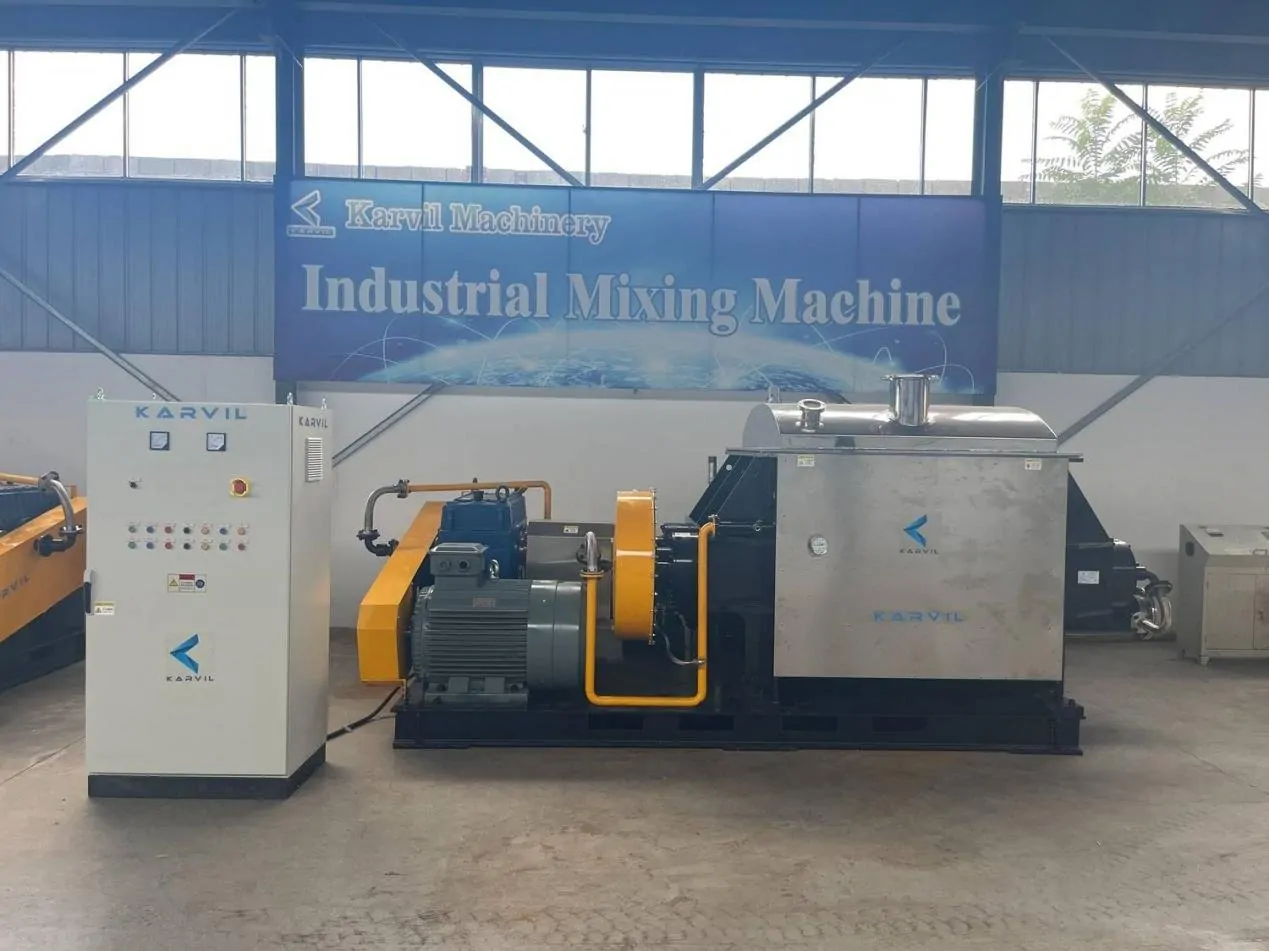
Sigma blade mixers play a key role in handling thick materials. Here, even mixing and steady results matter a lot. The main setup uses two blades that turn in opposite directions. Each blade looks like the Greek letter sigma. They squeeze, cut, and fold the stuff in a closed box. This creates a tricky flow that makes sure every part blends well. As the blades turn, they shove the material to the middle. Then, they push it out again. This back-and-forth helps spread all the parts evenly. It's great for breaking up lumps. And it works well for thick or sticky mixes.
How well a sigma blade mixer works relies a lot on its parts. The mixing chamber needs the right size. It should let materials move freely. But it can't have spots where nothing happens. The blade shape matters too. The gap between blades and box walls has to be just right. It needs to cut the material well. Yet, it shouldn't rub too hard or wear out fast.
Speed control is another big piece. Many new sigma blade mixers have changeable speeds. Operators can tweak the speed based on how thick or what kind of material they're using. Also, ways to let the mix out, like tilting system or push systems, help keep little bits from sticking. This makes each batch come out the same.
Sigma blade mixers show up in many fields that deal with thick mixes. Think about glues, seals, rubbers, silicone mixes, dough, tree saps, colors, and medicine pastes. They handle half-solid to dough-like stuff. That's why they're so useful in areas where getting the mix just right ties straight to how the product works.
The traits of the materials, like how thick they are, how big the bits are, and how much water's in them, really shape the mix outcome. Thick stuff doesn't flow easy. So, it's tough to spread parts evenly without enough push from the machine. For instance, when mixing thick materials, you need a special paddle shape. Plus, a speed that changes helps beat the thickness and push-back. That way, you get a good blend.
The blade's form decides how well it applies cutting forces across the whole batch. Sigma-style blades make movement up-down and side-to-side in the box. When you add changeable speed motors, you can fit the cutting strength to what the material needs. This steady cut and squeeze breaks up any balls of stuff. It keeps the mix parts steady all through the job.
How much material you put in compared to the box size changes how it moves inside. Too much can block the blades. Too little might mean parts don't touch enough. Sticking to the same way of adding stuff helps make batches come out the same each time.
Keeping the heat right is super important for stuff that changes with warmth or reacts quick. Built-in warm or cool covers help hold the best setup while mixing. New mix setups often have smart sensors and auto controls. They watch things like speed, twist force, heat, and thickness right then. This keeps quality steady, even in long making runs.
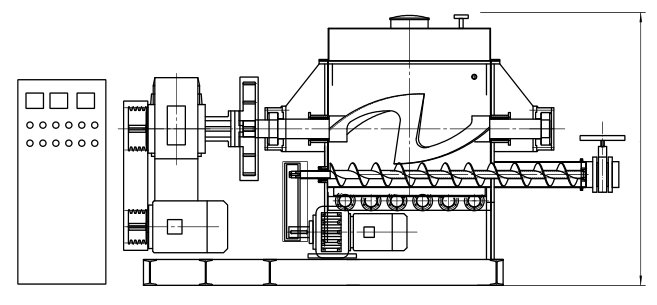
When getting it exact counts big—say, for making silicone rubber or factory glues—you want gear that gives the same results over and over. That's why the Sigma Mixer with Extrusion Discharge fits so well.
This type has two Z-shaped sigma blades made just for strong-cut jobs. The blades move against each other. That makes hard squeeze spots. They spread every part fully—even bits that ball up or fight blending.
It's made from steel that fights rust. It has tough gear boxes and engines. This handles rough spots with ease. No matter if you're adding chems or making food-safe pastes, its strong make keeps it going long. And it meets clean rules.
A top perk is how it pushes out the mix. It's a big help for thick stuff that sticks to sides. Instead of just letting it fall or scraping by hand:
It gets the stuff out better. That cuts waste. And over time, you save money.
By using a screw to push out, it cuts down on people mistakes. It makes batches match better. Plus, it shortens clean-up time between jobs. That's key if you follow clean-making rules or have tight times.
How exact the mixing gets often hits within plus or minus 1 percent. This depends on how tricky the mix is. It's a good mark for medicine-level blending. Or for key glue types where steady mix affects how strong the bond is. Or how long it takes to set.
Smart controls handle time, speed changes, heat paths—and even push-back info. The mixer gives steady work over long making stretches. No drop in quality numbers.
A good, steady mix setup can boost making speed a lot. It cuts costs in making. And it makes products last better over many runs.
Low-power engines with speed changers cut energy use by 20 to 30 percent. That's from the company's mix gear. You pay less for power. But you keep the same output speed. It's a good deal if you're growing your work.
Every piece gets hard checks. From weld strength to engine tuning before it ships. In making, parts of the mix system need exact cutting. That keeps paddles balanced—key for lasting long.
Smart computer setups link easy to auto lines. They let exact adding of parts based on weight watchers or flow counters. They keep time exact to seconds per round.
New setups change auto based on set plans. They make sure the best results happen. No need to tweak by hand in the middle.
If you need blast-proof boxes for jumpy liquids or suck-out boxes for water-shy stuff—the fix can fit your needs. It uses add-on designs that back many setups.
These fields count on exact part amounts for how it sets or sticks. So, sigma mixers are must-have tools in their making lines.
A wrong mix amount can make glue that doesn't stick right. It might last short on the shelf. Or break under push—dangers you dodge with exact mixers made for these tough spots.
From dough to sweets bases—even feel sets how happy buyers are. Exact part mixing keeps taste even. It skips feel problems from lumps or uneven water add during steps.
Key parts need even spread at tiny levels—for how well it works in pills. Or looks good in lotions. A sigma mixer's skill with small but strong adds makes it perfect here too.
A buyer who makes silicone seals saw big gains after switching to Karvil's push-out type. They got smoother feel steadiness. And cut raw stuff waste by more than 15 percent.
A medium candy maker added one to their caramel mix line. They saw making speed up by 22 percent. Faster batch flips came from auto push-out perks.
If you're thinking of bettering your setup now—or starting new with solid gear fit just for your field—Karvil gives talk services. They're backed by years of real-use know-how across many areas world-wide.
Q: What level of accuracy can I expect from a sigma blade mixer?
A: You can usually hit plus or minus 1 percent leeway based on how complex the mix is. This comes with exact-built mixers that have auto controls.
Q: Can this type of mixer handle both small-scale batches and large volumes?
A: Yes. As long as you load steady to box size—it backs test runs at small levels. And full factory jobs too.
Q: How does an extrusion discharge system benefit my process?
A: It boosts how much product you get back. It cuts work costs from hand scraping. Great for sticky or thick mixes.


