Views: 20 Author: Site Editor Publish Time: 2026-04-24 Origin: Site
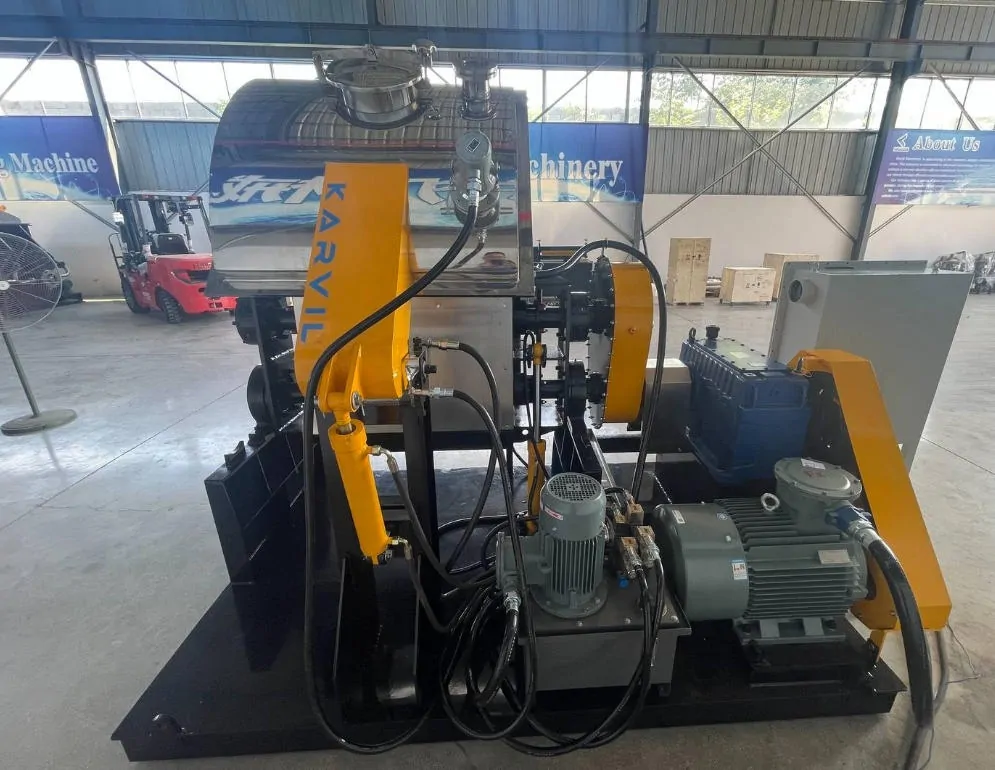
Solid industrial blending forms the core of your assembly process. This applies whether you handle rocket fuels, battery mixes, or snack bars. Your gear stands as a major money outlay that calls for a careful upkeep plan. Dealing with the details of machine care needs more than basic tools. It requires solid field knowledge. For those wanting strong building work, Karvil Machinery serves as a top expert in research, planning, and building of industrial mixers. They ship to over 50 nations in Europe and the Americas. They provide a wide product range that includes sigma blade mixers, ribbon blenders, and planetary mixers. From chemical and space applications to food-safe options, their tech group offers tailored changes and one-on-one material tests. Supported by CE, ATEX, and FCM certifications, Karvil blends tight standard checks with ongoing tech advice. This setup makes sure your gear fits smoothly into your factory flow.
Overlooking minor gear fixes can trigger a chain of breakdowns. In key areas like drug or chemical handling, unexpected stops cut into earnings. A properly kept machine does more than operate. It holds the needed shear levels and blend accuracy for steady batch results.
Unexpected failures halt your whole setup. They cause lost starting materials and delayed shipments. Fixing a ignored machine often runs three times the cost of routine looks. Watching wear closely guards your earnings base. This approach saves money over time.
As inner parts such as ribbons or blades wear out, the blend gap shifts. This change leads to uneven solid-liquid spread or shaky batch standards. Keeping the base design limits is the sole path to match product needs. Regular care ensures this balance.
View your mixer as a lasting holding, not a throwaway item. Standard checks on the Industrial Powder Mixer Machine can keep it running for years. This outcome proves common for well-built units. Such steps extend gear life greatly.
Ribbon mixers depend on a U-form trough and paired spiral ribbons to make flow motion. These units often manage large solids and dry powders. As a result, the gear load on the stirrer and seals stays steady.
Look at the ribbons for any bending or thinning signs. This matters especially when blending rough items like cements or mortars. A slight bend in the spiral shape can block the in-and-out material flow. It creates unmixed areas in your batch. Regular checks spot these issues early.
Seals tend to fail first in vacuum or pressure tasks. If powder escapes near the supports or vacuum drops, seals require quick fixes. Strong builds use special mechanical seals. You should swap them before they harm the batch. This keeps operations safe and clean.
Loose or slapping belts lead to power waste and uneven drive force. Tightening too much harms as well. It adds extra side load on the drive shaft and supports. A simple hand test of tension each month avoids these drive strains. This habit boosts overall efficiency.
Oil work acts as the key to moving sections. This holds true for gear like the Heavy Duty Sigma Mixer. These units process thick items like rubber sealants and glues. Such tasks place heavy load on gear boxes and supports.
Picking the wrong oil can spoil a food-safe run. In food or health tasks, stick to oils that meet FCM rules. For space or chemical work, choose oils that take the warmth from strong kneading. Proper picks match your needs exactly.
Avoid waiting for noise before applying oil. Base your plan on operating time. Dry supports heat up and lock, which can wreck the main shaft. This part costs a lot to swap. Scheduled oil work prevents such damage.
Kneading dense pastes builds friction easily. Good oil keeps inside warmth even. This point proves key for warmth-sensitive items like fuels or food extras. There, controlling heat ties to safety rules. Proper steps ensure steady runs.
Allowing old material to stay in your mixer invites trouble. Set residue works like grit on metal faces. It adds extra pull on the drive at next start.
In fields like tooth care items or color agents, a tiny leftover bit can spoil the next load. A scraper wall aids cleaning. Yet, hand checks of the output gate zone remain the best for clean standards. These methods block mix-ups effectively.
Items like dry cement or fiber-filled resins cut deeply. If they pile up and set, they wear the stirrer tips. Maintain a smooth inner shine so materials flow off during output. This keeps the unit in top shape. Regular wipes prevent long-term harm.
A drive pushing through a hard layer draws too much current. This sets off switches or burns the coils. Clean units start easier and draw less power. Such care cuts running costs. It also avoids big fixes.
Your staff's daily handling shapes the machine's life. Safe practices link closely with gear durability.
Many err by packing the mixer full. Ribbon blenders should not pass 80% of space. Extra weight stresses the drive setup. It also slows blending and cuts output. Following limits improves results.
Inspect the control box for loose leads or dirt piles. Power swings can hurt key control parts. Make sure grounding fits well, above all in ATEX setups for risky areas. These checks keep power steady. They prevent early breakdowns.
Safety goes beyond lists. Run checks on stop buttons and lid sensors often. New builds have lids that halt the unit right away if opened. This stops contact with moving drive sections. Regular tests build safe habits.
Picking the best builder ranks as your top upkeep advice. A unit made with right parts from the outset needs far less fixing later.
Target gear must tackle hard tasks. This includes sigma mixers for gum bases or planetary units for battery pastes. The plan must fit the flow traits of your items. Such standards ensure reliable work.
Each plant has unique wants. Options like heated jackets for resin cement or vacuum for air removal in health pastes fit your steps. Tailoring makes the unit match your flow, not the other way around. This boosts fit and ease.
Units serve in over 50 nations across fields from space to food. The gained know-how proves priceless. You receive more than gear. It includes full English guides, wiring plans, and endless tech help. This support aids long runs.
Q1: How do I know if my Ribbon Blender is overloaded?
A: If the material level is above the top of the outer ribbons or if the motor sounds like it is struggling to maintain speed, you have likely exceeded the 80% volume limit.
Q2: What certifications should I look for in food-grade mixers?
A: Ensure the equipment has FCM certification and complies with (EC) No.1935/2004 regulations. This guarantees that the stainless steel and seals are safe for food contact.
Q3: What should I do if my Sigma Mixer is leaking vacuum?
A: Check the dynamic vacuum seals and the discharge gate gasket. These are wear parts that often need replacement or adjustment every few months depending on your usage.
Q4: Do you provide support if I have trouble with the electrical setup?
A: Yes, every unit comes with a full English manual and circuit diagrams. Professional engineers also provide remote technical support to solve any wiring or PLC issues.
Q5: Can I use one mixer for different types of products?
A: It is possible, but you must follow strict cleaning protocols to prevent cross-contamination. For very different materials, specialized interior coatings or dedicated machines are often a safer bet.


