Views: 37 Author: Site Editor Publish Time: 2025-12-12 Origin: Site
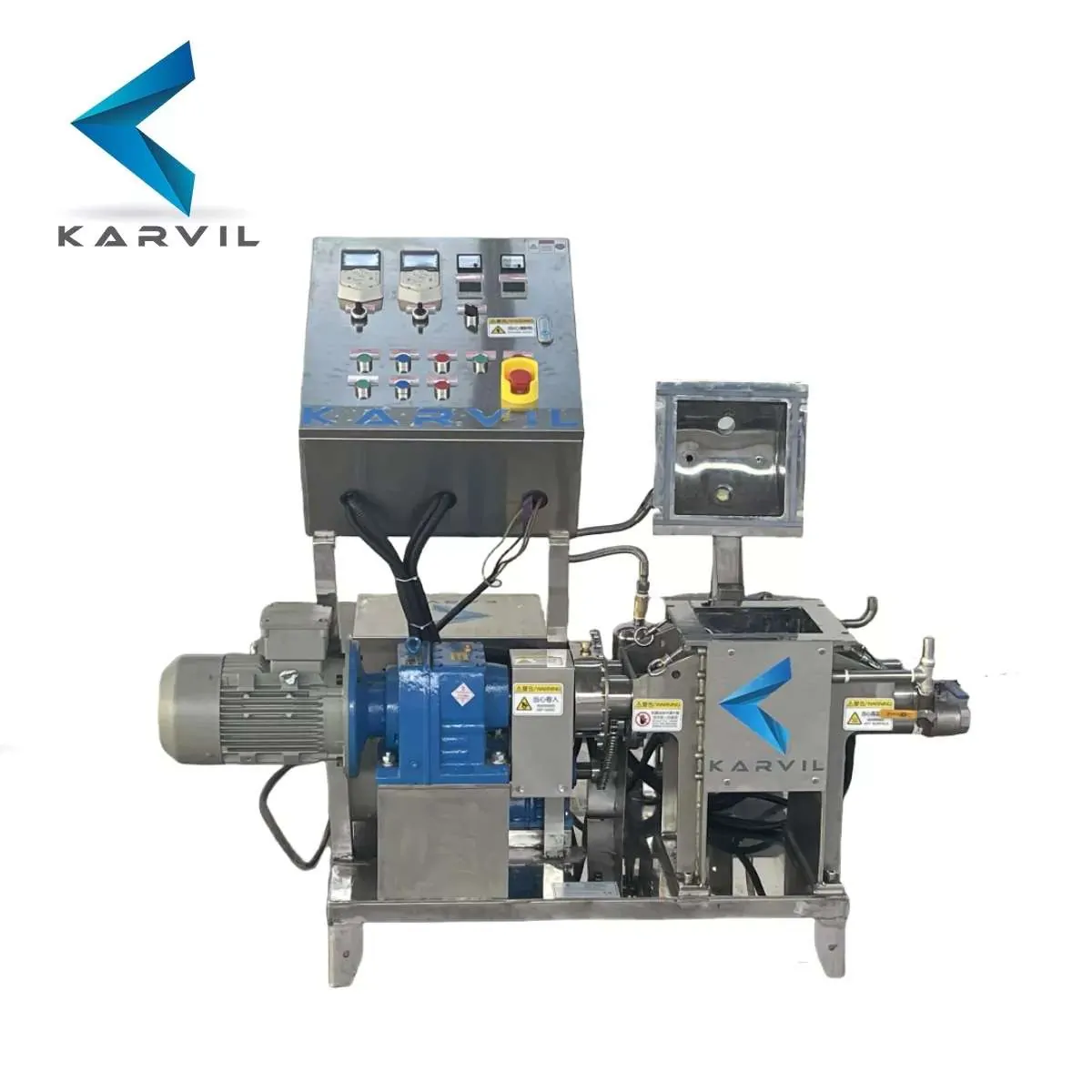
Successful production of adhesives and sealants depends not just on careful recipes but also on how those recipes get handled during processing. If you are creating epoxy-based structural adhesives or strong silicone sealants, the type of machine you pick plays a big role in the evenness of the material, its lasting quality, and how well it works in the end. When you deal with thick materials, it is important to tell apart two main methods—kneading and mixing—and to see why the sigma blade mixer often stands as a must-have tool.
In the field of handling thick materials, Karvil appears as a trusted maker of custom sigma blade mixers. The company provides options for both small lab use and large factory setups, all made to fit needs in adhesives, sealants, and polymers. Karvil puts a lot of focus on good quality checks, smart building methods, and help after the sale, so every machine they send out fits tough production needs. Their gear uses stainless steel for clean standards in pharma work, plus modern heating and vacuum setups for tricky materials, all built to handle hard conditions. No matter if you are growing your output or adjusting recipes in a lab, Karvil gives solid and adjustable choices supported by a group of skilled tech helpers.
Kneading serves as a hands-on method aimed right at thick and sticky mixes. This approach proves vital when you handle heavy stuff like silicone rubber, butyl rubber, epoxy, or polyurethane adhesives.
Through kneading, you apply cutting force to combine thick materials, making sure that added fillers, base resins, and other parts spread evenly across the whole batch. Such even spread has a direct effect on the basic traits and steady results of the finished item.
For jobs with heat-setting adhesives and sealants—where exact curing steps and filler spread count a lot—kneading turns into something you cannot skip. The sigma mixer works well for handling thick, half-solid, and rubbery materials, and its build focuses on powerful cutting and blending. This strong mechanical push helps molecules connect without getting too hot or breaking down delicate parts.
Though kneading fits best for half-solids or paste forms, mixing mainly handles thinner or middle-thick liquids. The gap comes from both the type of push energy used and the kind of materials in play.
Mixing means joining things with low cutting force. For example, you can blend solvents with resins in glue recipes using a basic mixer quite well. But when your mix gets too heavy—like in glue-free polyurethane or filled silicone—regular mixers do not cut it anymore.
Basic mixers mainly work for joining thin to middle-thick liquids or bits. They fail to give the steady cut needed to spread thick fillers or break up clumps. In those situations, kneading with special gear becomes key to stop problems like layers pulling apart or curing that is not even.
When you face adhesives or sealants that go over 500,000 cps in thickness, usual mixers just cannot match the pace. Here is where the sigma blade mixer shows its true value.
The sigma blade mixer has two Z-shaped blades that turn at different rates inside a flat container. Known also as the z blade mixer or sigma kneader mixer, it handles kneading and mixing of thick materials. As these blades turn against each other, they create strong cutting force, kneading heavy blends well without pulling in air or harming the stuff.
Its skill in handling thick items like silicone rubber, adhesive, graphite, and chewing gum makes it a top pick in fields such as chemical and drug making.
The perks reach well past just how it works mechanically. The sigma blade mixer makes sure of evenness even in tricky setups with many parts. When you make glues that need steady spread of fillers—like in strong epoxies—the blend quality ties straight to how strong the bond gets.
On top of that, this kind of mixer cuts down the time needed by reaching quick and full blending in fewer rounds. The way the mixer gives steady push energy to the glue mix leads to a firm and even result, which matters a great deal for how it performs in real jobs.
Karvil supplies a wide set of sigma blade mixers built to fit different size needs—from lab research and development to big factory making.
Perfect for building products and testing recipes, the Stainless Steel Lab Sigma Blade Mixer comes with a 5L space and electric heat reaching up to 230°C. The pair of sigma blades run at changeable speeds (fast blade: 0–42 rpm; slow blade: 0–35 rpm), so you can copy factory settings right in the lab.
This small yet strong kneader suits research work, special rubber mixing, and polymer building tasks. Built from mirror-shined stainless steel, it includes a vacuum setup and screw push-out system for emptying, mixing ease with exact handling—vital in recipe tests.
Users often find that the lab model's compact design fits tight spaces in research labs, while its heating system allows for tests on temperature-sensitive materials without risk of uneven heating. The variable speeds mean you can adjust for different viscosities, from semi-solids to thicker pastes, ensuring results that scale up reliably to larger production. Karvil's focus on durable parts means this mixer holds up through repeated use in demanding R&D cycles, saving time and costs in the long run.
For big operations, Karvil’s Stainless Steel Sigma Kneader Mixer brings solid work with a 140-liter main space and a heat oil system. The two sigma blades get power from Siemens motors via ABB speed changers, giving sure drive under heavy work.
Common in blending and kneading of thin-to-thick items in areas like ceramics, silicone rubber, and sealants, this machine has a hydraulic tilt for easy emptying and safety locks that stop it from running if the lid stays open.
In practice, this industrial model handles daily loads without breaking down, thanks to its strong build and smart controls that keep speeds steady even with varying batch sizes. Operators appreciate the tilt discharge for quick cleanouts between runs, which boosts overall efficiency in busy plants. Karvil includes options for custom jackets to maintain even heat, crucial for sealants that need precise curing times to avoid defects.


When you build strong epoxies or glue-free polyurethanes, your good results rely on even spread of active fillers. Poor blending can lead to clear clumps, caught air, or layers splitting. These flaws cause failures in how it works—issues that sigma mixers aim to fix on purpose.
The blades that turn against each other in the sigma mixer give strong cutting forces, helping manage the glue's thickness. This lets you fine-tune the recipe based on what the job needs, like how thick the bond layer is or how fast it sets.
Many producers note that using this mixer cuts down on waste from bad batches, as the even dispersion ensures every part of the adhesive reacts properly during use. For industries like construction or automotive, where bond reliability is key, this level of control translates to safer and longer-lasting products.
Silicone sealants usually need steady heat while being processed to help proper linking across the mix. A sigma blade mixer with covered containers lets you hold exact heat levels through the whole batch run.
The sigma mixer helps blend these parts evenly, making sure they spread out right and link well during the setting step. For mixed systems with both plant-based and mineral parts, this kind of handling keeps layers steady and gives a good shelf life over time.
Teams in sealant production often rely on the mixer's vacuum feature to remove bubbles, which improves the final seal's flexibility and weather resistance. This is especially useful in building materials, where sealants face extreme conditions and must hold up without cracking or leaking.
Picking the best gear means lining up what the mixer can do with your material's traits and your making aims.
· Batch Size & Volume: For research jobs or small runs, pick Karvil’s lab models. For steady factory work, choose bigger ones like their stainless steel sigma kneader.
· Material Viscosity: Items over 500,000 cps need the cutting push from sigma blades.
· Thermal Sensitivity: Go for mixers with covered pots and exact heat controls.
· Cleanability: Stainless steel build makes cleaning simple and fights rust—key for clean pharma or food uses.
Before deciding, think about your daily output goals; a mismatched size can slow things down or raise costs. Karvil's team can guide you through options to ensure the mixer fits your workflow without overkill features.
More than just machines, Karvil gives full help after the sale, like setup tips, worker training, upkeep care, and parts on hand. Their blending tools use fresh mixing ideas and drive tech, fitted with smart controls for real-time changes in heat and speed.
If you are improving a current setup or starting a fresh product line, Karvil teams up with you to bring custom gear that hits your exact needs. You can contact them via their site for full details or straight advice on picks made just for you.
Customers value Karvil's quick response times for support, which minimizes downtime in production lines. Their machines often come with warranties that cover key parts, adding peace of mind for businesses investing in long-term equipment. Overall, choosing Karvil means getting gear that not only performs today but adapts to future needs as your operations grow.
Q: What makes a sigma blade mixer better than a standard industrial mixer for adhesives?
A: Sigma blade mixers create high shear forces needed to even out thick materials like epoxies or silicones. Standard mixers do not have this power and might lead to blending that is not complete.
Q: Can I use Karvil’s lab sigma mixer for pilot production?
A: Yes. Karvil’s lab-scale models handle changeable speeds, heat control up to 230°C, vacuum links, and screw discharge setups—making them great for both research and small-batch making.
Q: How do I choose between different discharge methods?
A: Screw extrusion works best for sticky items that need steady output; tilting discharge fits quicker batch clearing where leftover bits are not an issue. Karvil provides both choices in its lineup.


