Views: 16 Author: Site Editor Publish Time: 2026-04-10 Origin: Site
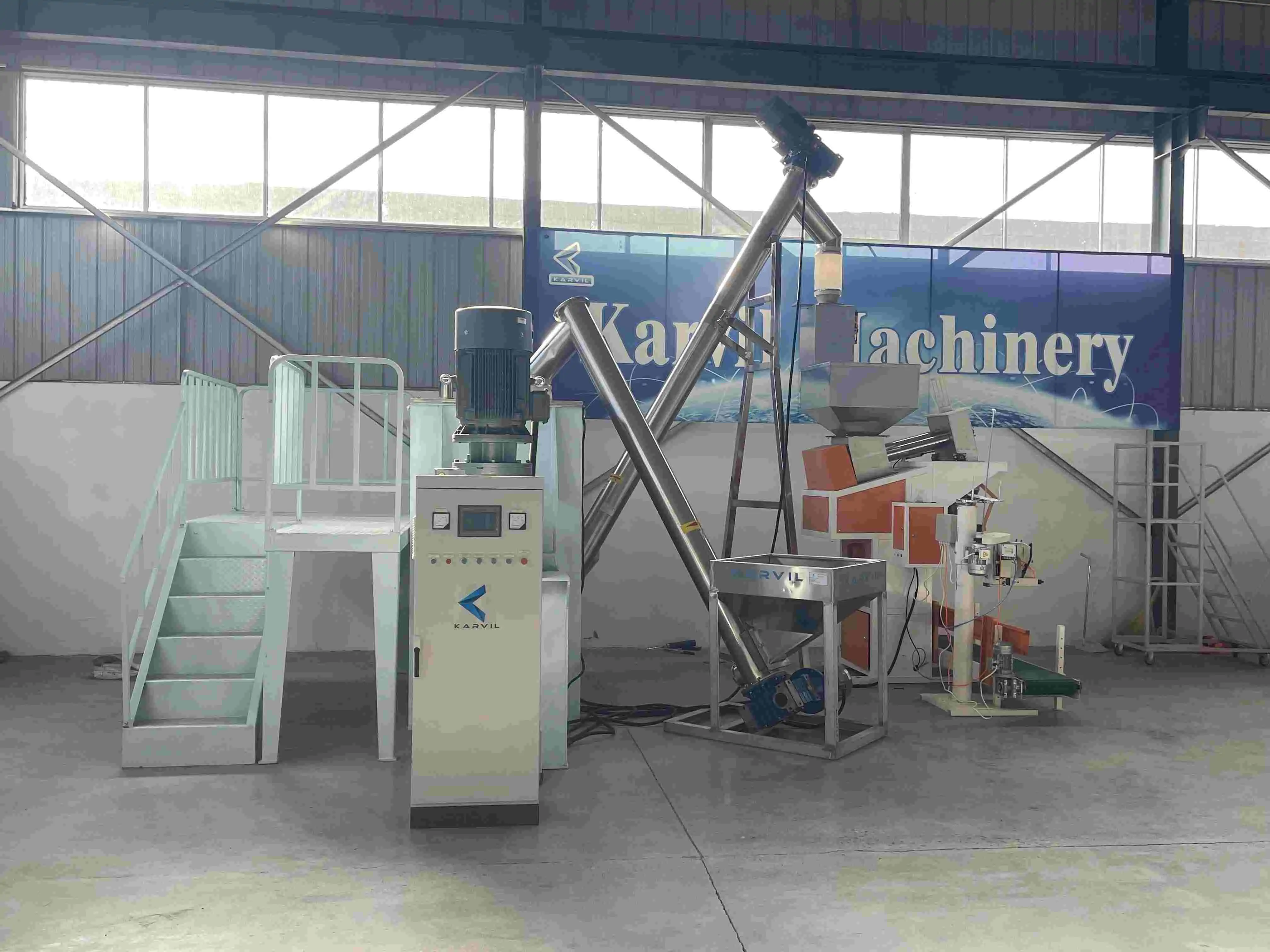
Locating a dependable industrial mixer seems like a risk when each vendor insists on being superior. However, in powder handling and thick blending, the gap between a device that endures 40 years and one that breaks down in six months depends on certain technical measures. You require more than a simple metal container; instead, you need a setup that manages your exact blend without frequent halts. Karvil excels in this area as an experienced specialist in China's mixing gear production hub. With a history of shipping to over 50 nations, such as the UK, USA, and Germany, they go beyond offering equipment. They deliver customized approaches for items ranging from silicone rubber and battery mixes to food-safe powders. Their engineering group grasps that a mixer in a rocket fuel site has quite distinct demands compared to one handling ice cream powder. This thorough sector insight turns a routine buy into a lasting output resource.
Why Do Specific Technical Standards Define a World-Class Mixer Manufacturer?
A mixer forms the core of your output line. If the design strays by just a few millimeters, you face "dead zones" where substances remain unmixed, which spoils your whole batch uniformity. Leading producers emphasize the science of motion over merely the engine's power.
The body of a solid mixer often includes a U-form layout, yet the depth of the stainless steel and the strength of the joints represent spots where basic firms save costs. Premium makers employ tough sheets that resist bending under loads from dense substances. When the container sides prove too slim, ongoing shakes lead to tension breaks in time. A firm structure maintains the stirrer in exact position, and this explains why certain factory models operate for close to half a century.
The key to quick blending lies in the dual spiral ribbon. The outer band shifts material inward while the inner band directs it outward to the edges. As a result, this generates a flowing fold action. Leading firms figure the precise angle of these bands to ensure the powder shifts in four ways at once. Lacking this accuracy, you end up blending for double the duration to achieve a fair outcome.
Hand control increasingly poses risks in current plants. When you depend on a worker to track time, you open the door to mistakes. Quality firms have shifted to digital links to ensure batch standards match every run.
Current plants now call for the Horizontal Ribbon Mixer with PLC Control System. This arrangement lets you save formulas in storage, so changing from one item to another occurs in moments. Moreover, it manages automatic filling and speed adjustments, which proves crucial when working with delicate elements that must avoid excess blending.
Basic mixers function as "unseen" devices. Top models behave like digital units. They track engine burden and force live. If the blend thickens too much and threatens to overload the engine, the setup warns you or tweaks the pace on its own. This record keeping also matters greatly for fields like drugs or space tech, where a digital record proves essential for each batch made.
Substances extend beyond "304 or 316 stainless." They involve how that metal receives treatment and how it responds to your particular reactions. If you blend rough cement or harsh agents, an improper outer layer will cause dents and pollution in mere months.
In food and health areas, cleanliness stands as essential. Leading makers supply shiny inner surfaces that meet tough (EC) No.1935/2004 rules. This goes beyond appearance; a level outer prevents "substance buildup." When the metal reaches a 400-grit polish, no tiny holes exist for germs to form, and this speeds up the cleaning routine.
Query any upkeep leader on early mixer breakdowns, and they will note the axle seals. Standard firms apply simple stuffing seals that allow powder escape. Expert models use air-cleaned or mechanical seals. These form a firm pressure wall that blocks dust from the supports and stops your blend from spilling to the ground. Such a minor element cuts repair expenses by thousands.
A standard "list" mixer seldom matches a focused task exactly. Whether you produce rocket fuel or gum, the device must adjust to the substance, not vice versa.
Emptying the mixer holds equal weight to the blending process. Based on your powder's flow, you may require an air-driven flap valve for full release or a slide door for measured release. Leading makers provide fitted valves that remove "stuck areas" at the trough base, guaranteeing all your elements truly blend.
At times, a mixer must also dry or react. By fitting a dimple cover, a Horizontal Ribbon Blender for Powder can move heat fluid or chilled water. This proves vital for goods like warm adhesives or select food mixes that demand exact heat ranges to remain workable in the cycle.
What Safety and Compliance Standards Should You Demand?
Protection goes beyond a legal mark; it centers on guarding your staff. A unit capable of harming a part requires more than a label. You ought to seek gear that builds safety into the core hardware plan.
Always verify CE and ATEX marks, particularly if your powder risks explosion. Leading makers confirm their gear suits "Zone" conditions. In addition, items for food use must carry FCM approval. It reassures to learn the equipment aligns with worldwide output rules even before factory exit.
Current protection rules call for magnetic locks on every entry panel. If a worker attempts to lift the top during ribbon motion, power stops right away. Further, all drive elements like straps and links should stay fully covered. This "no-touch" plan approach avoids mishaps and maintains your site in line with updated work regulations.
Picking a maker involves the bond once the package reaches. You seek an ally with a broad range, similar to that in the Karvil product gallery. They have managed tasks from tooth supplies to dense build cements. Their specialists conduct personal substance trials and supply complete English guides and wiring plans, so your site team avoids uncertainty. With a one-year coverage and ongoing tech advice, they offer the support that typical "cheap-bid" vendors fail to provide.
Q1: What is the typical lead time for a customized industrial mixer?
A: Usually, production takes about 20 to 30 days, though this varies based on the complexity of the control system and specific material requirements.
Q2: Can these mixers handle both very wet and very dry materials?
A: Yes, while ribbon blenders are famous for dry powders like flour or grout, they can be fitted with spray nozzles to incorporate liquids into the mix for pastes or coated granules.
Q3: How do you handle repairs if the manufacturer is overseas?
A: Professional suppliers provide remote video guidance and detailed technical drawings. Key components are often covered by extended guarantees, and parts can be shipped globally within days.
Q4: What is the maximum filling limit for a horizontal ribbon mixer?
A: For the best results, you should not fill the vessel more than 80% of its total volume. This leaves enough space for the "convective" movement to happen effectively.
Q5: Do your mixers support vacuum or pressure operations?
A: Many models can be reinforced for vacuum degassing or internal pressure, which is common in chemical and pharmaceutical applications to remove air bubbles or assist in drying.


