Views: 24 Author: Site Editor Publish Time: 2025-09-18 Origin: Site
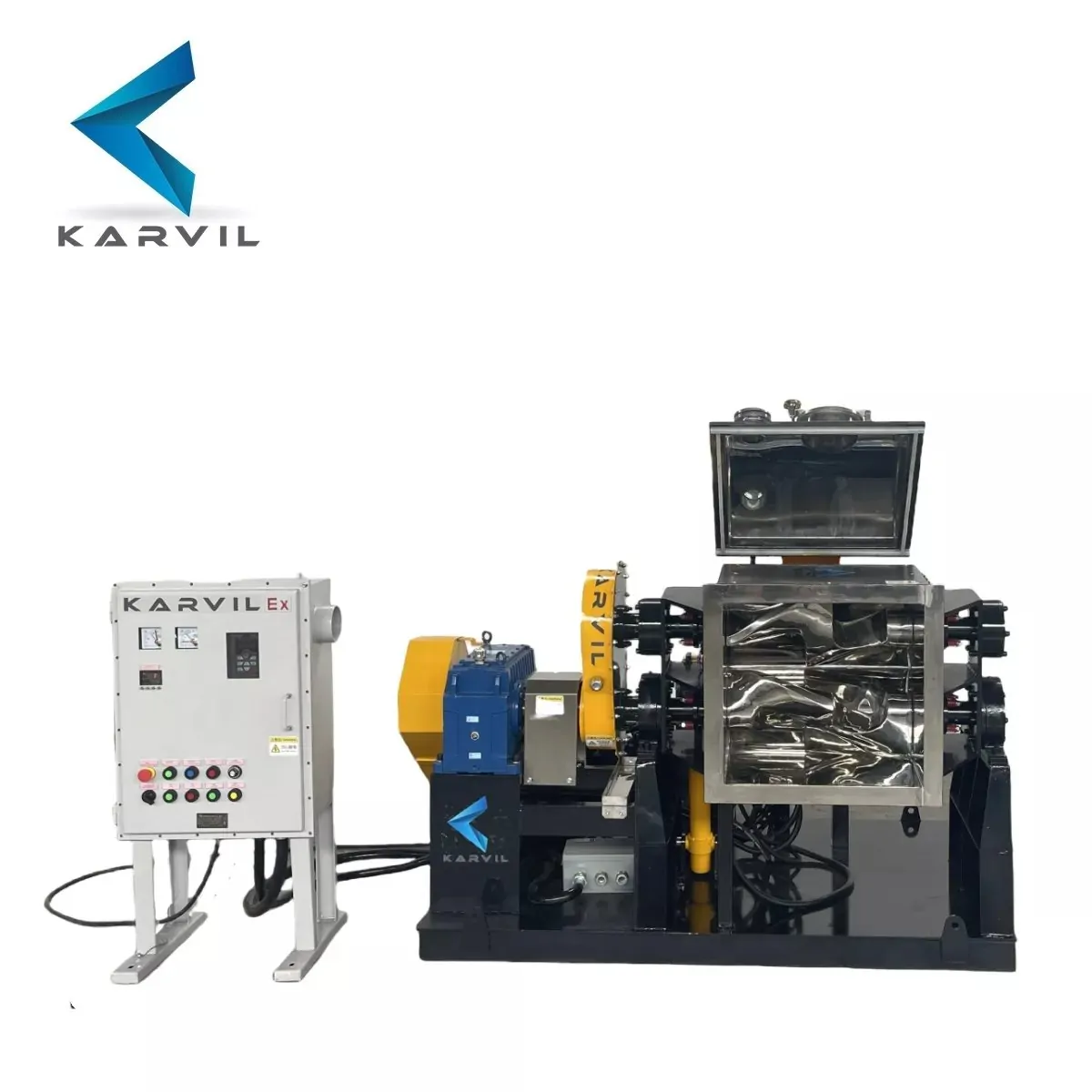
Z Blade mixers pack the shear punch to blend concrete smoothly, tackling thick slurries or fancy mixes like polymers by smashing lumps with their spinning blades in a W-tub. Karvil’s explosion-proof versions keep things safe around reactive stuff, but they shine in small batches, not big gravel jobs. For dry powders, their ribbon mixers zip through fast, and sigma kneaders nail sticky pastes with temp control—saving energy and hassle all around.
Shear force isn’t just a techy term in concrete work. It’s a key player in getting a smooth, even mix. Concrete is made of cement, water and sometimes extra additives. These have different sizes and thicknesses, which makes blending them tricky. Shear force steps in to break up clumps and spread everything out evenly.
High-shear mixing is super important when you’re adding thick binders or reactive ingredients. Without enough shear, materials might not stick together well. This can lead to weak spots or uneven hardening in the final concrete. That’s where tools like Karvil’s Z Blade Mixer shine.
Concrete acts thick and sticky, especially at first. This makes it tough to mix. Big solids in the mix add extra wear and tear on equipment. You need gear that’s strong enough to handle both the physical stress and the sensitive chemical makeup of concrete without messing up the batch.
Z Blade Mixers are made for heavy-duty kneading of thick or sticky stuff. They have two blades that spin toward each other in a W-shaped tub. This creates strong shear zones between the blades and the tub walls. It’s perfect for smashing dense lumps and spreading thick pastes evenly.
Unlike ribbon or paddle mixers that move materials around gently, Z Blade Mixers focus on intense shear. This makes them great for mixes where everything needs to blend perfectly without adding extra air or damaging the materials.
Z Blade Mixers are awesome because they deliver big power at low speeds. This is key for thick concrete slurries or mixes with special additives like silica fume or latex. The blades’ opposite spinning puts steady pressure on the mix, ensuring it blends thoroughly. Karvil’s equipment uses “advanced mixing principles and transmission technology, optimizes the design of the agitator, ensures smooth power transmission, uniform mixing, and significantly improves the mixing efficiency and reaction rate of materials.”
If your concrete mix has reactive chemicals or flammable additives, like epoxy resins or accelerators, safety is a big deal. Karvil’s Explosion Proof Z Blade Mixer keeps things safe with its sealed design and explosion-proof motor. It’s built for risky settings.
This mixer has safety sensors to watch temperature and pressure. It still delivers top-notch kneading power, even in tough conditions. It’s perfect for special concretes used in factory floors or precast pieces that need to be extra tough.
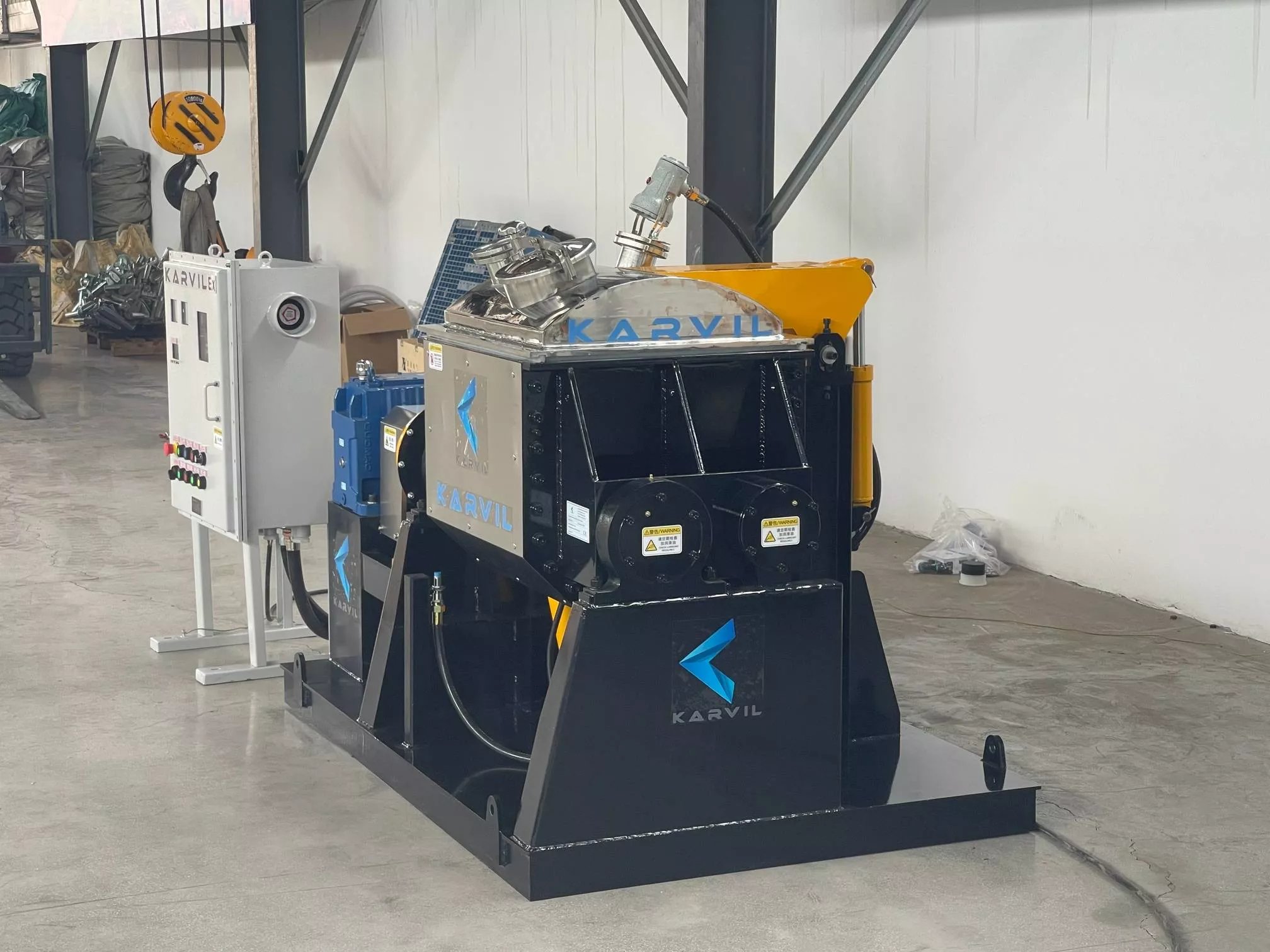
Z Blade Mixers are champs at handling thick slurries, like polymer concretes or grouts with bentonite clay. Their sturdy build can take the wear from sandy mixes while giving steady results every time. But their closed design limits how much they can hold. They’re best for special concrete mixes, not huge structural jobs.(Source: mixers.com)
Z Blade Mixers are awesome for intense shear tasks but not for mixing dry rocks or high-volume jobs like ready-mix plants. Their closed tub can’t handle big batches or continuous feeding. For dry stuff, like cement with fly ash, another mixer would be cheaper and work better.
To cover all kinds of concrete work, from dry blending to precise kneading, Karvil offers other mixers besides the Z Blade Mixer.
When your mix has sticky polymers or reactive binders that need careful heat control, a double sigma kneader is the way to go. It manages temperature well during long kneading sessions. Karvil’s mixers come with “an advanced intelligent control system that can monitor and automatically adjust key parameters such as mixing speed, temperature, pressure, etc., in real time.” This is great for fancy concretes, like epoxy repair mortars or underwater mixes with anti-washout agents.
For big dry blending jobs, like mixing cement with silica fume or fly ash before adding water, a horizontal ribbon mixer is super efficient. Its mixing principle is forced shear stirring type mixing. It has three main parts: a mixing tub, an agitator, and a driving device. The outer spiral belt pushes material from the ends of the U-shaped tub to the center. The inner belt pushes it back out. This mixer has a big loading capacity and a small footprint. Its shear blades blend materials evenly. You can scale it up for bigger production needs. It’s perfect for batching tons of dry mix with little downtime.
Choosing between a Z Blade Mixer, sigma kneader, or ribbon mixer depends on your mix’s thickness and how much you need to make. For small batches of thick additives in controlled settings, a Z Blade Mixer is great. For big batches of dry powders, ribbon mixers are fast and keep quality high.
Karvil’s mixers cut energy use by 20%-30% with better blade designs, low-energy motors, and variable speed tech. Look at how easy it is to maintain, like replacing seals, or how much power it uses per batch. Safety features, like locks for handling risky materials, are key. Make sure the mixer fits into your existing setup, too.
Whether you’re making self-leveling floors with polymers or mixing big batches of regular concrete, Karvil has solutions for you. Their lineup includes everything from explosion-proof Z Blade Mixers to high-capacity ribbon mixers. All are built for your specific needs, with expert support available when you ask.
Q: Can I use a Z Blade Mixer for regular concrete with gravel?
A: No. Z Blade Mixers have a closed design and small capacity. They’re not great for coarse gravel mixes. They work best for specialty concretes needing high shear in small batches.
Q: Why do some concrete jobs need an explosion-proof mixer?
A: If your mix has flammable stuff, like epoxy resins, an explosion-proof Z Blade Mixer stops sparks by sealing electrical parts from risky vapors.
Q: How do I choose between a ribbon mixer and a sigma kneader?
A: Pick based on thickness. Ribbon mixers are great for big dry powder blends. Sigma kneaders are better for sticky pastes needing precise heat control over long mixes.


