Views: 13 Author: Site Editor Publish Time: 2026-04-30 Origin: Site
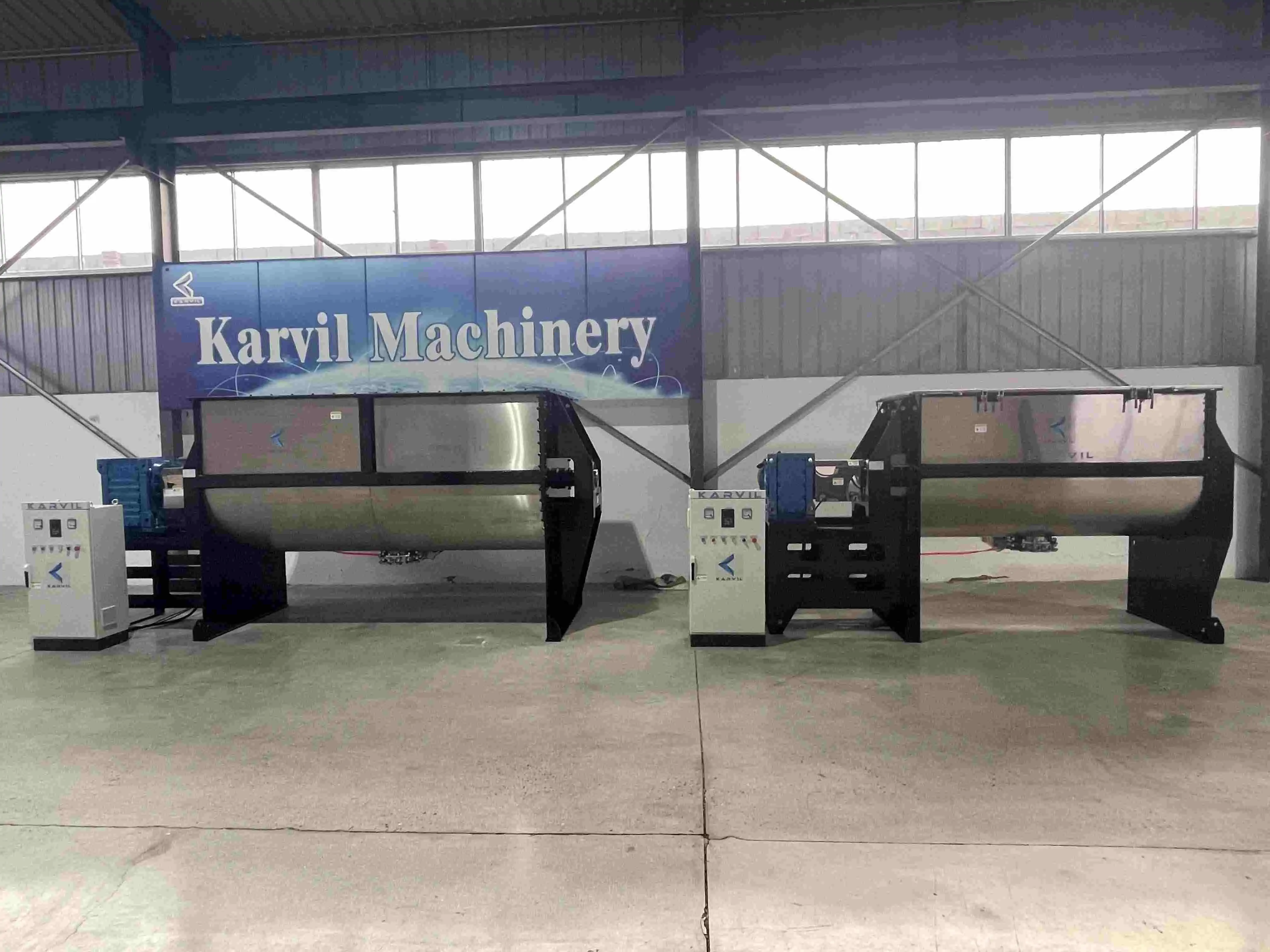
Fast mixing tends to turn into a battle with time and gear wear. The upfront cost of a blender draws most focus, yet the true hit to your earnings comes over the long run of use. Bearings give out, seals drip, and mixes pick up dirt. To hold your line steady without steady money drains, you need a supplier who looks past the initial deal. Karvil Machinery excels through solid building practices and firm quality checks. They supply factory tools to more than 50 nations, such as the US and Germany. Whether you handle plane fuels or food-safe flour, their staff delivers personalized customization that matches exact factory demands. From targeted items to broad field uses, they give more than basic tools; they ensure steady operation. You may also review their technical downloads to grasp the detailed work in their builds.
Line leads often watch large fix bills, but the tiny, ongoing problems truly cut into profits. Each time gear pauses for an hour to change a seal or pull a strap, you forfeit more than the piece price. You forfeit the full run's worth. This builds into a chain where small setup slips cause big yearly shortfalls.
An abrupt stop midway through a blend cycle spells trouble for any plant. If the drive freezes or a rod sticks, the contents inside may pack down or set firm, so workers spend hours breaking it free by hand. Such delays typically cost far more than the fix itself, often tenfold in lost runs.
Basic parts break down quickly. Opting for low-cost bearings or slim blades means ordering new ones every few months. Across five years, these "minor" buys could match the cost of another unit.
As seals wear, fine dust begins to slip into the bearing area or onto the plant ground. This goes beyond a simple cleanup task. It builds extra rub, raises power use, and in time wrecks the power train.
Sealing ranks as the top weak spot in dust blending. Basic stuffings commonly break since tiny grains grind like grit on the rod. Once the seal gives, the mix heads right to your bearings. A strong Ribbon Mixer for Powder Blending manages this with forced setups that hold the dust in place.
Unlike basic cord stuffing, mechanical seals form a firm block that holds firm under pull or push. This setup blocks tiny grains from leaving the blend area, which greatly aids in maintaining a neat work space. As a result, operations stay cleaner and more reliable.
By sending a bit of forced air to the seal zone, the unit builds a high-pressure spot. This air wall actually forces dust back from the rod space, so the seal surfaces last much longer. Such a method cuts down on frequent checks and fixes.
Isolating the bearings from the blend space proves essential. Well-planned outer bearings make certain that, even with a seal break, the mix drops to the floor instead of reaching the lube and locking the bearing. This design protects key parts over extended use.
The ribbon's construction sets the strain on the drive and gear box. If the blades sit off true, the unit shakes. Shaking quietly wrecks factory tools. It undoes fasteners, splits joints, and damages gear edges. A solid Horizontal Ribbon Mixer applies a twin coil layout to even out these pulls.
This layout shifts contents in dual paths together. The outer coil drives dust one direction, whereas the inner coil drives it the other way. Such flow creates an even weight on the main rod, so it avoids the shake that wears down power straps. The balanced action supports smoother overall performance.
A rod off by mere millimeters forms a dense point with each turn. Expert building uses light checks to confirm the line stays true, which cuts the warmth from quick spins. This leads to less strain during long shifts.
When blades slice through the load with ease, the drive avoids battling the weight. Lesser pull means reduced warmth in the gear box and extended run for power pieces. Operators notice lower energy bills as a direct gain.
Picking the proper metal goes beyond surface appeal; it concerns endurance. For blending rough dry mix or biting chems, usual carbon metal will spot and corrode in months. After the face roughens, contents cling to sides, forming "stuck" areas and risks of mix carryover between loads.
Selecting SUS 304 or SUS 316 for touch surfaces offers key shield from chem shifts. In food fields, these picks remain vital to meet health rules. They ensure safe handling without added risks.
A bumpy face resists easy wash. Shine-polished insides, common in drug-level blenders, let dust flow off during unload. With fewer leftovers, teams spend less time wiping between switches. This speeds up changeovers significantly.
The base and braces require guard as well. Top factory blenders apply thick paints or steel frames to block settings like damp air or salt from chewing the unit outward. Such steps maintain the full build over years.
Steadiness stems from know-how and strict safety rules. You require gear that guards your earnings and staff. These units include safety locks, so the setup halts right away if the lid lifts. All action parts sit fully covered, keeping workers secure. With CE, ATEX for blast zones, and FCM marks, the tools hit the globe's hardest levels. For food lines, touch materials have cleared the EU food contact test and follow (EC) No.1935/2004 guidelines.
You gain entry to a crew with broad field knowledge, from blending fuel in plane work to mixing gum for sweets. They supply one-on-one content trials and blend tips to confirm the unit suits your exact mix. This guidance helps tailor setups to real needs.
If you want a wrap for warming, a pull system for air removal, or cut tools for lump breaks, the plan gets shaped to fit. They include full English guides and wiring plans, so your site group grasps how to manage the tools. Such details ease local handling.
Reaching over 50 nations shows they grasp world shipping and rules. Beyond the one-year coverage, you still receive ongoing expert input and far-off aid to fix run snags. This keeps your operations flowing smoothly.
Q1: What safety certifications do these mixers have for food production?
A: The equipment is fully certified with CE and FCM. Crucially, all contact materials have passed the EU food contact material test and comply with (EC) No.1935/2004 regulations, making them safe for flour, protein powders, and spices.
Q2: Can the mixer handle explosive or hazardous powders?
A: Yes, if you are working in industries like aerospace or chemicals, you can request an ATEX-certified version. These units include explosion-proof motors and specialized grounding to prevent static buildup.
Q3: What happens if I need technical help after the warranty expires?
A: While there is a standard one-year warranty, the engineering team provides lifetime technical consulting. You can get remote support and video guidance to troubleshoot issues at any time.
Q4: Is it difficult for a local team to maintain the electrical system?
A: Not at all. Every machine comes with a complete set of English operation manuals and detailed circuit diagrams, allowing your on-site electricians to perform routine checks and maintenance easily.
Q5: How do I know which size of ribbon mixer to buy for my output?
A: The size depends on your material density and batch goals. A good rule is that a ribbon blender should not be filled to more than 80% of its total volume to ensure the convective mixing action works properly.


