Views: 16 Author: Site Editor Publish Time: 2026-03-05 Origin: Site
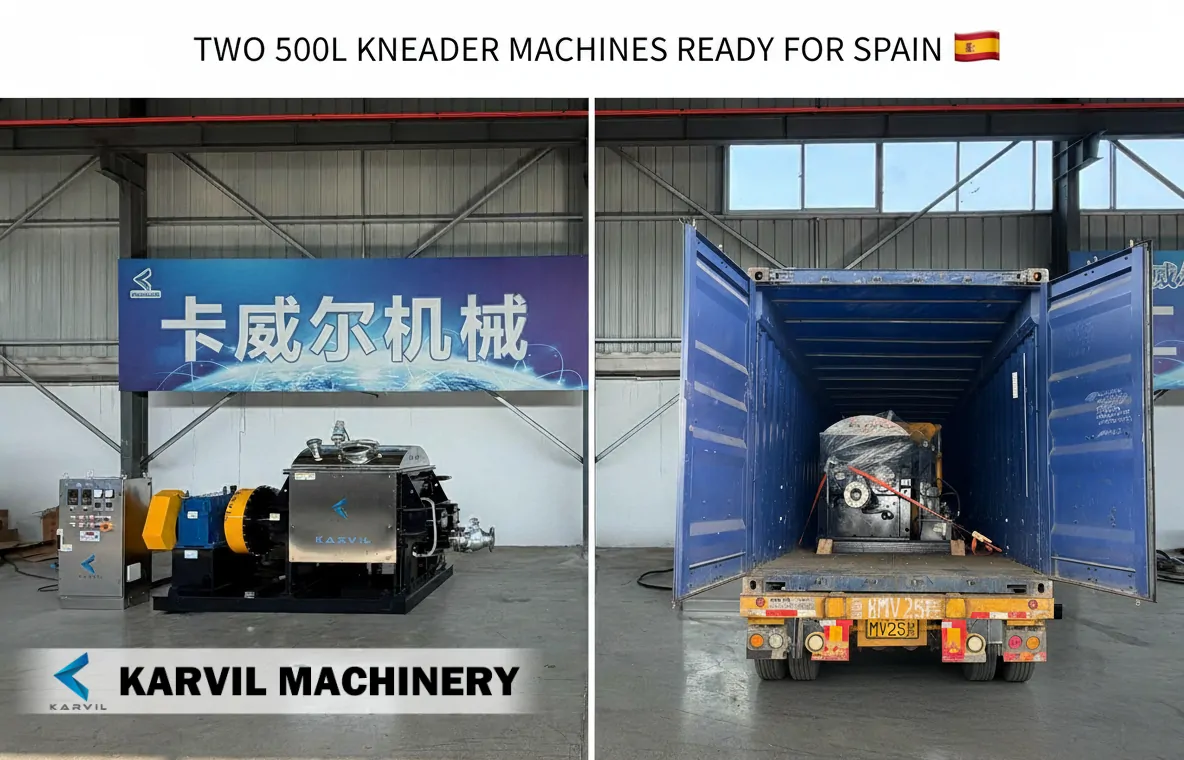
Delivery Update: Custom Engineering for the European Market
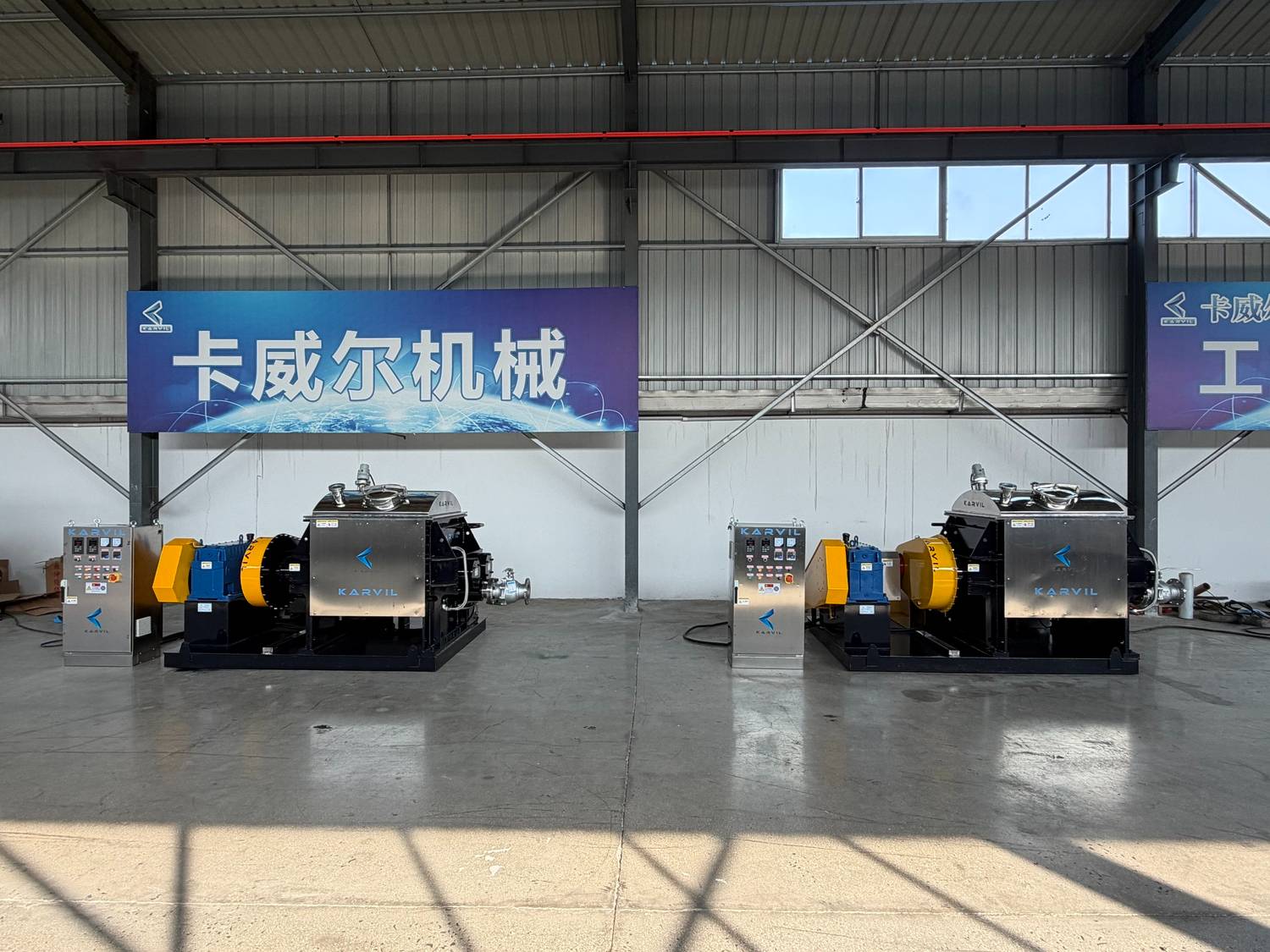
This week at the Karvil factory, we wrapped up production and successfully loaded a significant order destined for Spain. We are pleased to announce the shipment of two custom-manufactured 500L Screw Heating Kneaders, specifically engineered to handle the recycling and reprocessing of licorice waste.
For our team, this wasn't just a standard order. Dealing with confectionery waste, particularly licorice, requires precise temperature control and powerful torque to ensure the material doesn't stick or degrade during the kneading process.
Meeting the Challenge: Full Heating Capability
What makes these two units special is the heating configuration. Standard kneaders often feature a heating jacket only on the main vessel. However, to meet the strict viscosity requirements of our Spanish client’s licorice material, we designed a comprehensive heating system.
We implemented heating channels throughout the entire machine structure:
The Vessel Body (Barrel): For consistent external heat.
The Side End Plates: Ensuring no "cold spots" at the edges of the mixer.
The Screw Shaft: Providing internal heat directly into the core of the material.
This "full-contact" heating design ensures that the licorice waste remains pliable and is processed uniformly, maximizing efficiency for our client's recycling line.
From Testing to Loading
Before any machine leaves the Karvil facility, it undergoes a rigorous Pre-Shipment Inspection. We tested the mechanical operation, the seal integrity, and the thermal performance of the heating jackets to ensure everything meets European safety and quality standards.
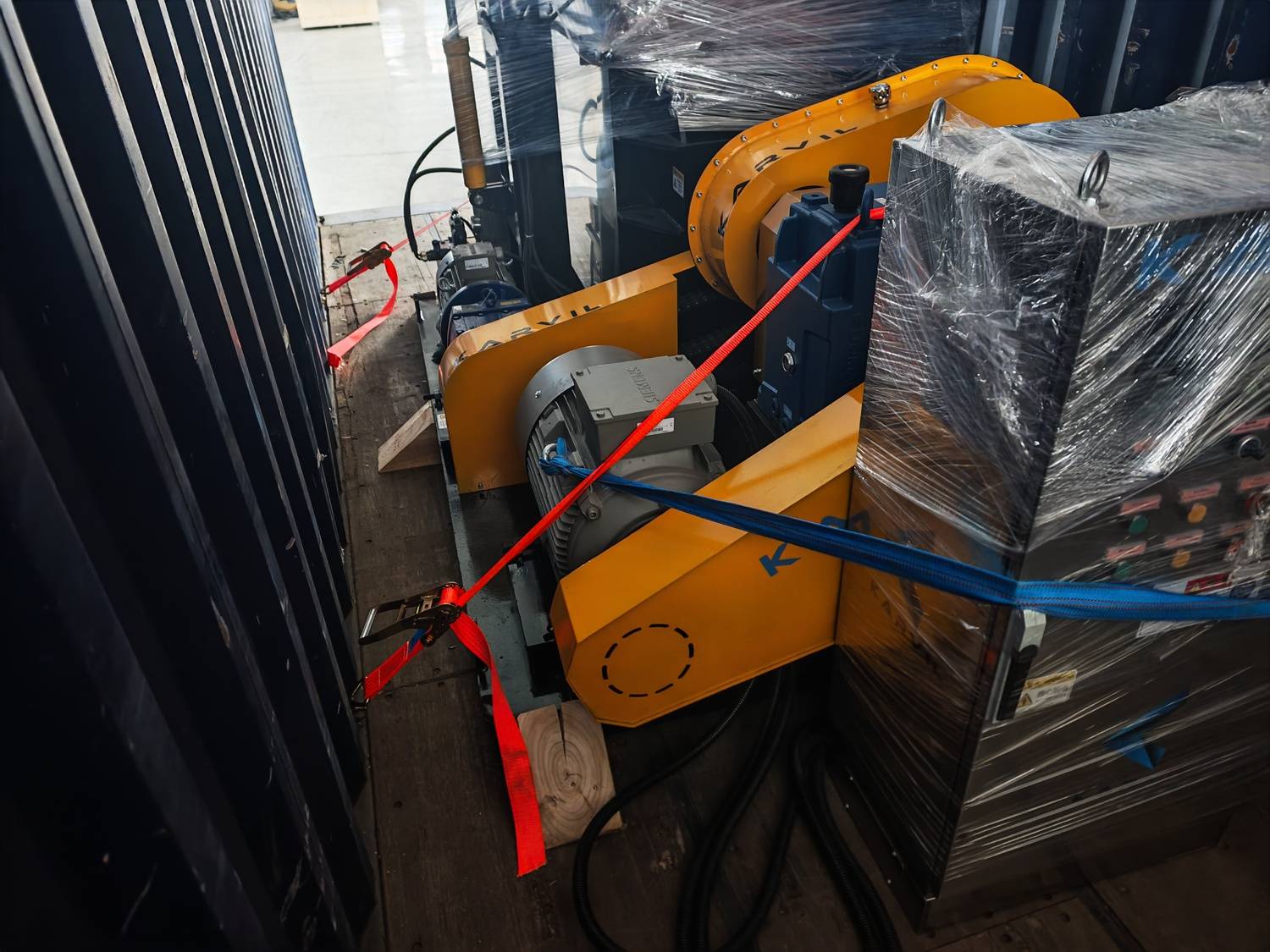
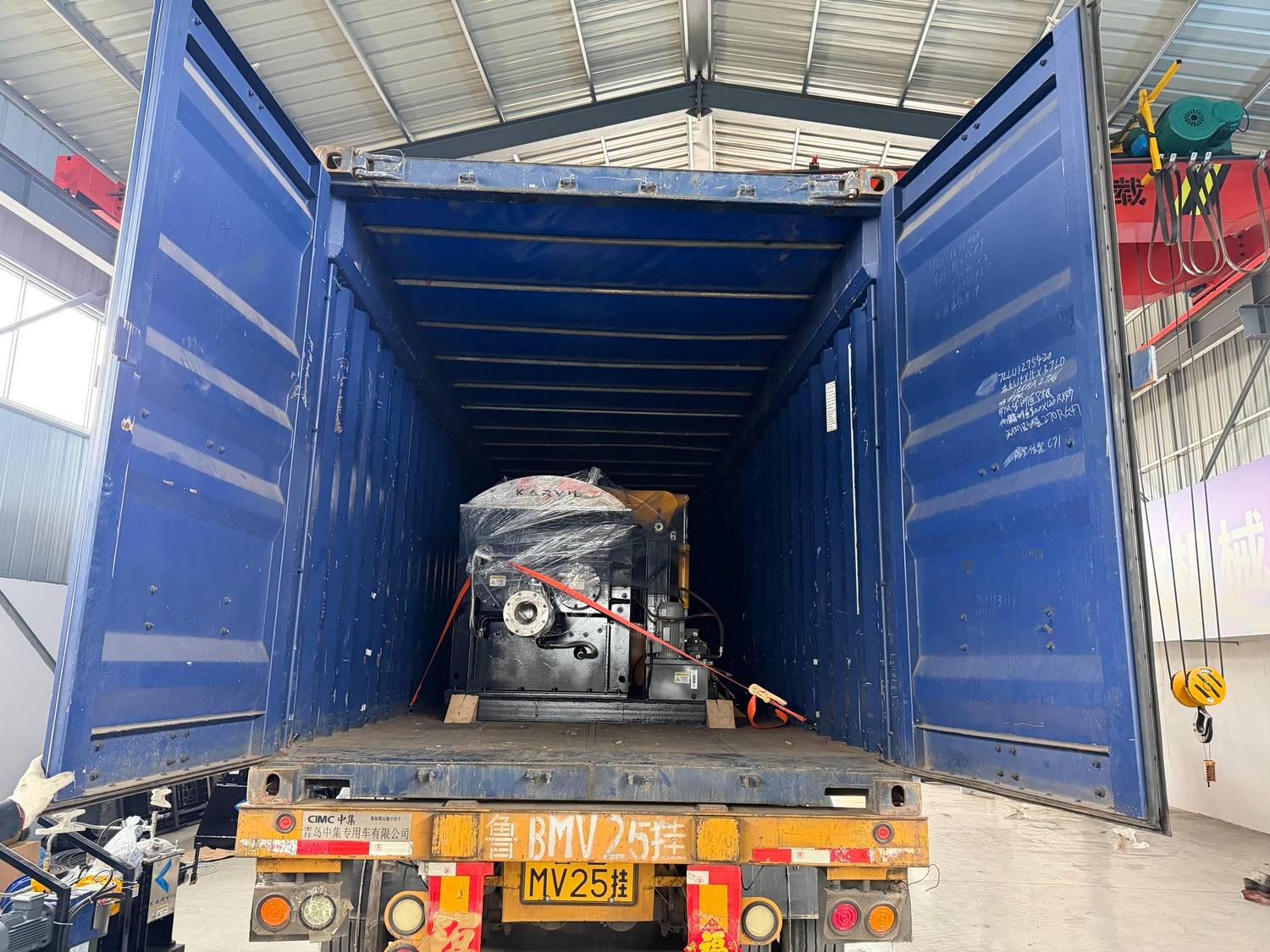
Once approved, our logistics team took over. As you can see from the photos, we ensure that every square inch of the machinery is protected. The units were securely wrapped and fastened within heavy-duty wooden crates to prevent any movement or corrosion during the long sea freight journey to Spain.
Why Clients Choose Karvil
Whether it is chemical powder, high-viscosity glue, or food industry waste like licorice, Karvil understands that one size does not fit all. We don't just sell machines; we analyze your material and adapt our equipment—like adding shaft heating or reinforcing the gearbox—to solve your specific production pain points.
We look forward to hearing the feedback from our Spanish partner once these units are up and running in their facility.
Do you have a challenging material that requires precise kneading or mixing?
Contact the Karvil team today. Let’s discuss how we can customize a solution for your production line.
info@karvil.com


